In industrial work environments, a lot of different hazards can put workers' health and safety at risk. One of the most common injuries can result from splashing chemicals, flying debris or sudden explosions, leading to loss of vision or even permanent blindness. To ensure these potential threats do not become a reality, many industries have implemented the use of EN166 industrial protective face shield.
The primary function of an industrial protective face shield is to protect the worker's face, eyes, and, in some cases, the neck, from the hazards. Different types of EN166 face shields and visors are available, depending on the nature of the work, the environmental hazards, and the level of protection needed. Clear, high-quality polycarbonate shields ensure complete visibility, while some shields come equipped with additional features such as UV protection or anti-fog coatings for maximum visibility.

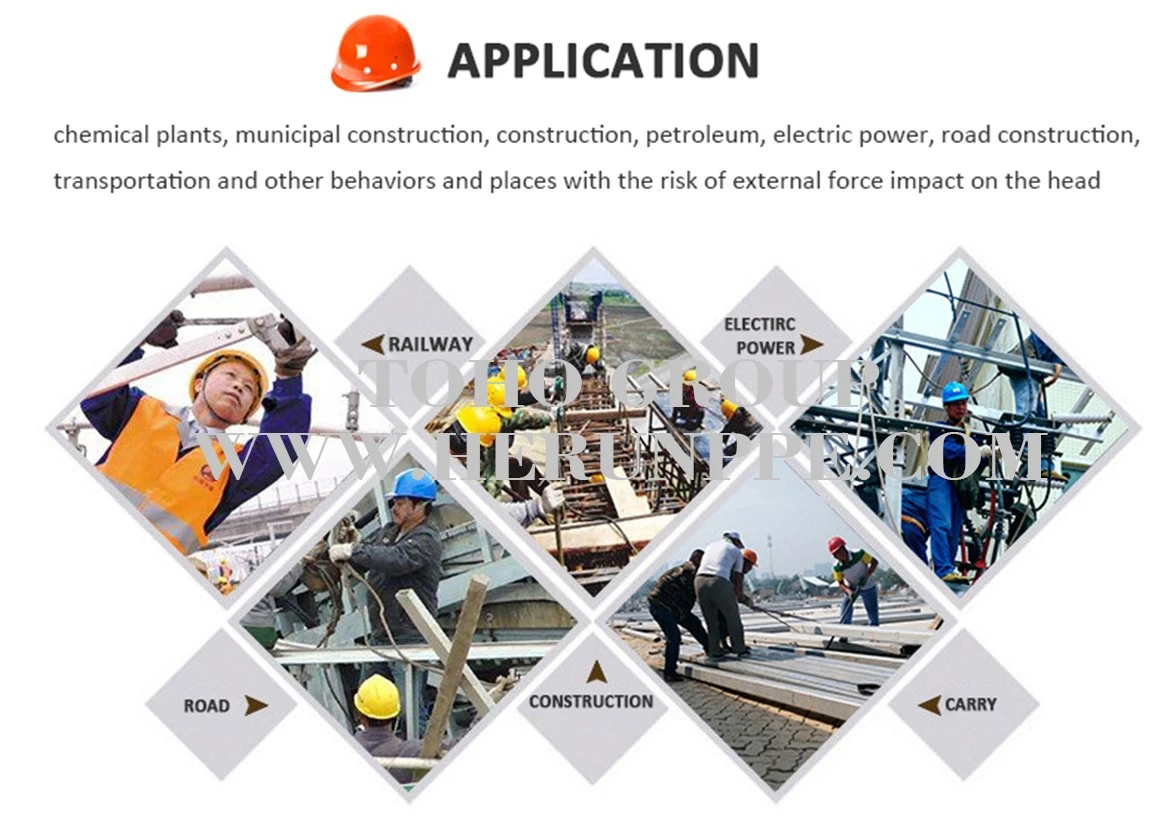
Industrial protective face shields are suitable for many applications, such as construction sites, metalworking environments, laboratories, medical facilities, chemical processing plants, and other hazardous work environments. Face shields used in these harsh environments must comply with the EN166 safety standards and provide rigorous protection against the identified hazards.
Routine maintenance and inspection of face shields, including frequent cleaning and checking for defects, ensure that they function correctly when in use. To maintain hygiene, face shields should be cleaned regularly with water, mild soap, and alcohol, as well as disinfected if applicable. Any scratches, cracks, or damage to the shield should be replaced immediately to ensure optimal protection.
In conclusion, EN166 industrial protective face shields are an essential piece of equipment in ensuring workers' safety in hazardous work environments. With their comprehensive protection, visibility, and maintenance, workers can be assured that they are receiving the best protection against hazards that can harm and even debilitate them.