TOHO Industrial Corp.

Head protection

What is Head Protection


Head protection is designed to protect you if there is a risk that you could be struck by falling objects and/or strike your head against a fixed object. Head protection is an item of personal protective equipment (PPE), which is generally designed to protect the scalp area and sometimes the jaw as well. The face is generally not covered by head protection and eye protection. Noise protection or hearing protection and respiratory protection are separate kinds of PPE, thus are not covered under head protection. Head protection is any equipment that protects these areas from impact trauma and burns.


Advantages of Head Protection


Protection Against Head Injuries
Hard hats type safety helmets are designed specifically to provide protection to the workers from injury penetration, electric injuries and strong head impacts, which can be caused because of flying or falling objects. These safety helmets also provide protection against fixed objects and electrical conductors that may lead to injury. You can easily buy such kind of safety helmets online at very affordable price.

Protection Against Slips And Fall
Wearing safety helmets while working in a liquid based FMCG or a chemical unit ensures that even if the work slips or falls accidentally the chances of causing a head injury will be minimal.

Increases Chances of Survival In Accidents
If a work unit faces accidental situations like rolling over of a truck or mishandling of any industrial equipment, in such scenario if workers is wearing safety helmet his chances of getting hurt will remain minimal.

Improves Employee Visibility
Wearing hard hats for work allows greater visibility for employees of the work unit and also helps in distinguishing while they are working during day or night. They also differentiate them from visitors and other non-working people entering the workshop premises.

Provides Adequate Ventilation
The safety helmets prices these days varies on several parameters. One is the amount of ventilation and comfort they offer to the worker. No company want their worker to feel burdened under the heavy safety hat. Thus the demand for stylish baseball style safety helmets has increased that provides adequate ventilation and comfort to the workers while working.

Provides Sun Protection
For construction site workers wide brim safety helmets are considered ideal as they provide adequate protection against harmful sun rays to the workers. This helps in reducing the chances of heat stroke and fatigue.

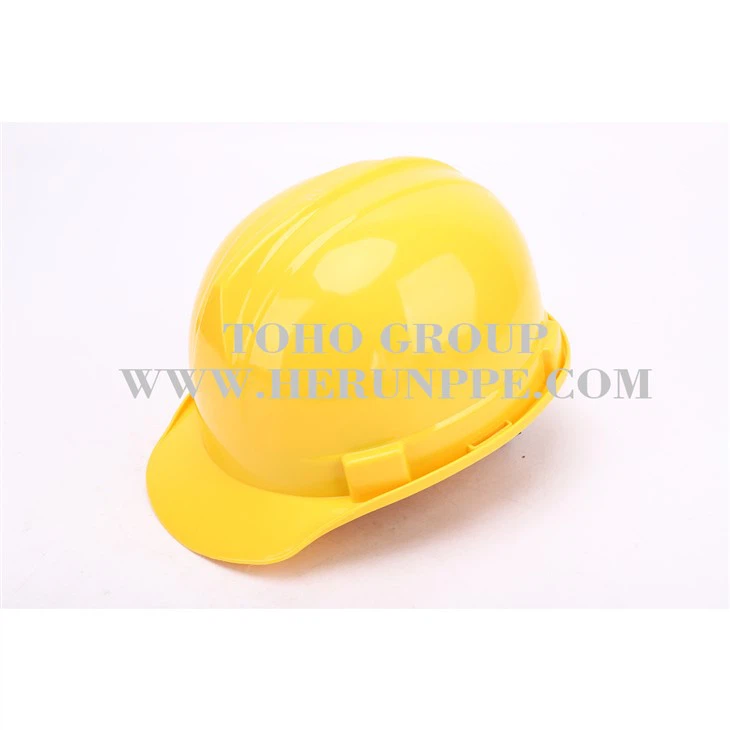
  • CE ANSI Certified Helmet

    CE ANSI Certified Helmet

    This model safety helmet has been passed by CE and ANSI test requirements,proves the strength,puncture resistance, compression resistance and so on. This page will mainly introduce the safety helmet

    Add to Inquiry
  • Head Protection Equipment Safety Helmet

    Head Protection Equipment Safety Helmet

    Protecting workers' head is very important and necessary, so there is one of personal protective equipment which is safety helmet to protect the wearer's head. This page will introduce the safety

    Add to Inquiry
  • Safety Helmet With CE Certificate

    Safety Helmet With CE Certificate

    Safety helmet is one of safety equipment to protect our head, it can be used in different places,including warehouse, factory, electricity, building site and so on. TOHO produces safety helmet

    Add to Inquiry
  • Safety Helmet Protects Wearer Head in Daily Work

    Safety Helmet Protects Wearer Head in Daily Work

    Safety helmet is widely used in construction, building site, electricity, marine and different places, mainly protects the wearer's head. This page will introduce the details of saftey helmet.

    Add to Inquiry
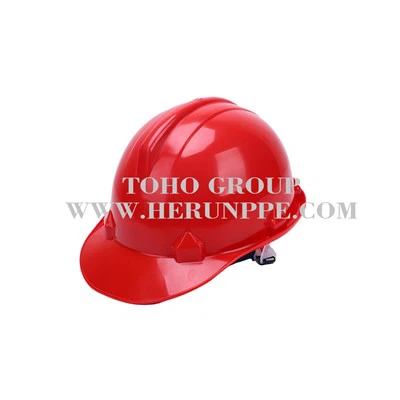
  • Helmet For Protecting Head

    Helmet For Protecting Head

    Helmet for construction site is mainly protecting people head when in working,it can be also used in other places, including industry, electricity, transportation etc. The details as below for your

    Add to Inquiry
  • Personal Protective Equipment Safety Helmet

    Personal Protective Equipment Safety Helmet

    Personal protective equipment safety helmet is widely used in different places, it mainly used to protect our head when we are in working. There are many different models for you option, please check

    Add to Inquiry
  • Special Design Safety Helmet

    Special Design Safety Helmet

    Safety helmet is widely used in protecting wearer head, and it can be used in different places, including warehouse, factory, chemical industry,electricity, workshop and so on. This page will

    Add to Inquiry
  • New Safety Helmet On Line

    New Safety Helmet On Line

    New product of safety helmet is designed and becomes hot selling model, it has many good advantages, please check below the details in this page.

    Add to Inquiry
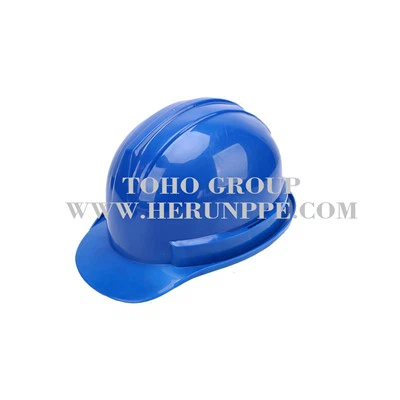
  • Safety Helmets For Daily Work

    Safety Helmets For Daily Work

    Safety helmets are widely used in different daily work, including warehouse, factory, building site, electricity, marine and so on. The main usage is protecting people head during working. This page

    Add to Inquiry
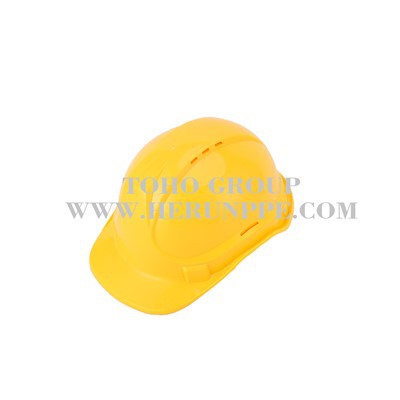
  • Hot Selling Safety Helmet

    Hot Selling Safety Helmet

    Safety helmet is widely used in warehouse, electricity, chemical industry, transportation, building site etc for protecting people. This model helmet is hot selling product, please check below

    Add to Inquiry
  • EN Standard Safety Helmet

    EN Standard Safety Helmet

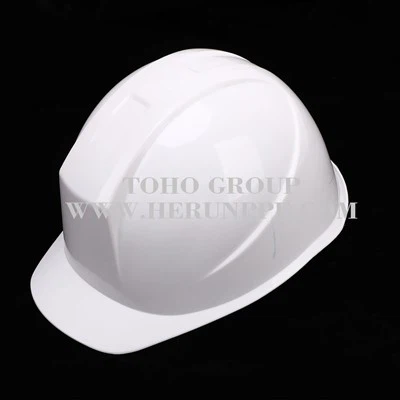
    Safety helmet is one kind of safety equipment for protecting wears' head, THSH-029A safety helmet is approved by CE, and we produce it according to EN standard, it can be widely used in different

    Add to Inquiry
  • Best Motorcycle Helmet

    Best Motorcycle Helmet

    Model:S-606. Shell Material:ABS. Lens material: PC, Color coated Anti-UV. Bufferlayermaterial: EPS. Widened buckle,five-section iron bucklecamelhaircomfortable cushion. Product weight :1.1kg. Color:

    Add to Inquiry
First 12 Last 1/2

TOHO group as a manufacturer is specialized in producing various head protection products, including safety helmet, safety helmet accessories, bump cap etc. We have been exported these products to 90 countries over 20years, and gained many good reputations from our customers. We produce the goods according to EN standard and ANSI specification requirements, also have CE certificate, ISO certificate etc. If you want to know more about the head protection information, please feel free to contact with us.


Why Choose US


Our factory
As a long history factory, we are first-class in scale, capital, staff,research and development, technology and price. We can provide you best product with best price.

Professional Equipment
We have advanced imported textile machines, dye equipment, computer pattern sewing machine, air compressor and full sets of testing machine, such as Universal Tensile Strength Testing Equipment, Salt Spray Corrosion-resistance Testing Equipment, Webbing Wear-Resistance Testing Equipment, UV lamp testing Equipment,Flame-Resistance testing Equipment, bending test machine, hardness test machine and 8-meter fall attest testing tower, etc.

Professional team
Professional technical personnel and skilled worker keep us at the forefront of the industry. Our products are CE and ANSI certificated. We can produce all kinds of safety harness and accessories in accordance with European standard, American standard and Australian standard. In addition, we can also make customerized style as per your requirement.

Quality control
From raw material control to production process control to finished product testing control, we strictly follow the quality management system. Our factory is ISO9001:2015 certified. Static strength test and Dynamic performance test for our products are conducted according to EN 364. We will do bending, hardness, Salt Spray Corrosion-resistance and tensile strength test for hardware to ensure its quality and your safety. For the webbing, we will do Wear-Resistance Test, UV lamp test and Flame-Resistance test, etc.


Types of Head Protection
CE Approved Safety Helmet
Safety Helmet For Protecting Head
CE Approved Safety Helmet

Hard Hats
Hard hats are widely used in construction, industrial, and manufacturing settings. They typically feature a rigid outer shell made of High-Density Polyethylene (HDPE) or other durable materials. Often, this type of hat has a suspension system inside that helps absorb and distribute impact forces to provide protection against falling objects, impacts from machinery, and low ceilings.

Helmets
Helmets are more specialized head protection gear designed for specific industries or activities. They offer more comprehensive protection than hard hats and may have additional features tailored to particular hazards. Some examples include the following:

  • Firefighting Helmets - Firefighters use helmets specifically designed for their profession. These helmets provide protection against heat, flames, falling debris, and impact during firefighting operations.
  • Industrial Helmets - Industrial helmets are designed for workers in industries such as oil and gas, construction, and utilities. They often have accessories like face shields, hearing protection, or integrated communication systems to provide comprehensive protection in hazardous work environments.
  • Motorcycle Helmets - Some workers use motorcycles in their jobs (e.g., food delivery riders and couriers) to help protect their head and face. Along with other PPEs, helmets must be used to promote motorcycle safety.
  • Sports Helmets - Sports helmets are designed for various athletic activities, including football, biking, skiing, or rock climbing. These helmets are specialized to provide impact protection and may have additional features such as visors, ventilation systems, or customizable padding.

Bump Caps
Bump caps are designed to provide limited protection against minor bumps, scrapes, and lacerations. They are often used in industries where workers may encounter low-hanging objects or overhead obstructions, such as maintenance or warehouse environments. However, bump caps are unsuitable for heavy falling objects or high-impact hazards.

Welding Helmets
These are specialized headgear designed to protect against the intense heat, sparks, and radiation generated during welding. They typically feature a dark-tinted visor to shield the eyes and face from the bright welding arc. Also, they may have additional respiratory protection for filtering harmful fumes.

Electrically Insulating Helmets
Workers in electrical industries use electrical PPE, including electrically insulating helmets. These are made from materials that do not conduct electricity and provide insulation to reduce the risk of electrical shock.


Safety Equipment For Protecting Head


How Safety Helmets Protect Your Head from Impact and Other Hazards

Protective helmets are designed to provide head protection against various hazards, including falling objects, impacts, and head injuries. These helmets are essential in workplaces where there is a risk of falling objects or other hazards that can cause head injuries.
Impact resistance is one of the most critical features of protective helmets. Helmets with impact resistance feature a tough outer shell that can withstand high levels of shock and prevent head injuries. The outer shell is usually made from materials such as polycarbonate, which is known for its high impact resistance.
The inner lining of the helmet also plays a crucial role in protecting the wearer's head from impacts. The liner absorbs the energy generated by an impact and distributes it across the helmet's surface area, reducing the force experienced by the wearer's head.
In addition to impact resistance, protective helmets also offer protection against penetration injuries. Penetration injuries occur when an object pierces through the helmet's outer shell and strikes the wearer's head. To prevent these types of injuries, some helmets come equipped with a layer of puncture-resistant material between the outer shell and inner lining.
Bump caps are another type of protective helmet that offers limited protection against minor impacts and bumps. Unlike hard hats or safety helmets, bump caps do not meet any specific safety standards but are designed to protect workers from minor bumps and scrapes.


Safety Requirement Checklist

Each hard hat should bear a label inside the shell that lists the manufacturer, the ANSI designation, the type, and the class of the hard hat.
A visual inspection should be performed prior to use each day. Any hard hat that fails the visual inspection should be removed from service and replaced.
Hard hats should be free from signs of impact (i.e. dents, cracks, or penetration) and rough treatment (i.e. abrasions, gouges, or excessive wear).
Check the suspension system on a periodic basis. The main purpose of the suspension system is to absorb the shock of a blow. Excessive wear, defects, or damage can weaken the protection it should be providing. Look for excessive wear, cracks, tears, frayed or cut straps, loose or damaged stitching, and loss of pliability. The attachment points to the shell should fit tightly and securely into their respective key slots.
Remove the hard hat from service or replace the suspension system in kind if there are signs of damage. Make sure to match the hat size with the suspension system.
In addition to everyday wear and tear, ultra-violet (UV) radiation can pose a problem for hard hats constructed of plastic. Hard hats should be free from UV damage (i.e. loss of glossy finish, chalky appearance, flaking, peeling, brittleness, fading, or dullness of color).

Safety Helmet in Construction


The Application Field of Head Protection
Safety Helmet For Protecting Head

Construction

Struck-by falling object incidents occur in the construction industry, often from falling small tools and materials. Hard hats that are comfortable enough to wear throughout the day are one option to help address this.

Safety Helmet For Protecting Head

Utilities

Working at-height or near energized equipment are common hazards for the wind energy, electric power distribution and telecommunications industries. Climbing helmets and full brim hard hats are common head protection PPE options.

Hot Selling Safety Helmet

Oil & Gas

From confined spaces and struck-by incidents, to welding splash hazards and more, this industry can require a variety of different types head and face protection solutions based on the application.

Hot Selling Safety Helmet

Mining

Low-hanging overhead objects and falling objects are typical hazards for the mining industry. Depending on the presence of water on the jobsite, vented or non-vented hard hats are a common head protection PPE option.


Special Design Shell Of Safety Helmet


How Do Hard Hats and Safety Helmets Differ

As protective headgear, hard hats and safety helmets differ by where workers are working when they wear them. Hard hats are worn by workers on the ground subject to potential falling debris or protruding objects. Safety helmets are worn by workers at height who have the potential to fall. Safety helmets are rated and certified the same as hard hats.
Safety helmets and hard hats also look different. Helmets typically sit closer to the head, have built-in chin straps, and little to no brim around the edge. They also have more internal padding to protect the head on impact, and may include attachable visors, ear protection, and be made from high visibility materials. Safety helmets generally offer enhanced protection from lateral impacts over hard hats. Contractors may find that safety helmets are slightly more expensive than hard hats. The higher cost is mainly due to the extra protection for both the top of the head and the side, along with the optional added equipment.


Precautions for Choosing Head Protection

Hazard Assessment - Consider potential hazards such as falling objects, impacts from machinery, low ceilings, electrical hazards, or exposure to extreme temperatures by conducting a thorough hazard assessment of the workplace.
Regulatory Compliance - Ensure that the selected head protection equipment complies with relevant safety regulations and standards applicable to your industry or region.
Type of Protection Needed - Evaluate the level of protection required based on the identified hazards.
Comfort and Fit - Consider adjustable suspension systems, chin straps, and headband padding options that provide a customizable fit and optimal comfort to encourage workers to wear the headgear consistently.
Climate and Environmental Factors - Take into account the climate and environmental conditions in the work area, including ventilation, temperature, and exposure to moisture.

Compatibility with Other PPE

Ensure that the head protection can be effectively combined with other safety equipment required to complete the job.

Quality and Durability

Consider choosing head protection equipment from reputable manufacturers or suppliers that produce or sell high-quality products.

Inspection and Maintenance Requirements 

Establish measures in place to regularly inspect and replace equipment when signs of wear or damage are observed.


How to Maintain Hard Hat


Proper care and maintenance of safety helmets are very important in providing the intended protection to workers over their intended service life. Procedures for care and maintenance should be adhered to in accordance with manufacturer's instructions. Responsibilities for care and maintenance of safety helmets should be clearly established within the workplace/ organisation.
Care and maintenance of safety helmets include storage, cleaning, inspection and replacement.
Storage
Safety helmets should be properly stored in a safe place with no direct sunlight, no excessive heat and a non-humid condition. Long-term exposure of extreme environmental conditions can reduce the strength and efficiency of the helmets. For example, the safety helmet should not be kept on the rear-window shelf of a vehicle. Sunlight and high temperature may cause degradation and the helmet might also become a hazardous missile in an emergency stop.
Adequate storage rooms, containers or pegs should be provided for storing safety helmets to protect against contamination, loss or damage. These storage areas should preferably be located at the entrance of the workplace so that every person can put on his helmet once he enters the site. Users have the responsibility to place their safety helmets in the safe places when not in use.

Cleaning
Cleaning is the process for removal of soiling or surface contamination suchas dirt, dust, grease, mud or body oils, etc. Regular cleaning should be carried out in accordance with the manufacturer's
instructions. General cleaning method using soapy water and a soft cloth is acceptable. Use of cleaning solvents should be avoided as it may deteriorate the plastic of the shell without any visual damage. The sweatband should also be cleaned regularly or replaced where necessary.

Inspection
Before issuing safety helmets to workers for use, each helmet should be inspected to ensure it is in good condition.
Daily inspection of safety helmets should be conducted to ensure that they are in a serviceable state without any defect. All components, shells, harnesses and accessories should be checked for signs of dents, cracks, penetration, brittleness or deterioration which may reduce the strength and efficiency of safety helmets. The harnesses should also be checked for proper fitness to the shells.
Periodic inspection, such as quarterly inspection, is required to determine the need for disposal and replacement.

Lifetime and replacement
Safety helmets should have a limited lifetime because of material degradation that can take place due to sunlight, heat or material self-degradation. Suppliers or manufacturers should be consulted for acquiring the lifetime of safety helmets.
Service life of safety helmets is a function of several factors including materials used, quality control, usage conditions, care and maintenance. It is very difficult to accurately determine as helmets are used in various conditions, ranging from the very harsh to the very light.


FAQ
 

Q: What is the meaning of head protection?

A: Head protection is designed to protect you if there is a risk that you could be struck by falling objects and/or strike your head against a fixed object (e.g. where there is restricted headroom).

Q: What is head protection in PPE?

A: Protective helmets (i.e. hard hats) reduce the amount of force to the head from impact, but cannot provide complete head protection from severe impact and penetration. Hard hats are intended to provide limited protection against small objects.

Q: When to use head protection?

A: The purpose of head protection is to safeguard workers from falling debris, low-hanging objects, electrical hazards, or even direct sunlight. Industrial and construction workers generally wear hard hats or safety helmets to protect the head from impact.

Q: What requires head protection?

A: Employees working in areas where there is a possible danger of head injury from impact, or from falling or flying objects, or from electrical shock and burns, shall be protected by protective helmets.

Q: What are the classes of head protection?

A: The three classes are based on the level of protection they provide from electrical hazards. Class G (General) hard hats are rated for 2,200 volts. Class E (Electrical) hard hats are rated for 20,000 volts. Class C (Conductive) hard hats do not offer electrical protection.

Q: What is the helmet used for?

A: Helmets are designed to help prevent injuries to your head. A serious fall or crash can cause permanent brain damage or death and that's definitely not cool.

Q: How do you use a safety helmet?

A: Do not wear a safety helmet by turning it around backside or tilted to the side. Make sure that the helmet is always pointing to the front and placed firmly on your head.

Q: What is the purpose of PPE safety helmet?

A: Protective helmets (i.e. hard hats) reduce the amount of force to the head from impact, but cannot provide complete head protection from severe impact and penetration. Hard hats are intended to provide limited protection against small objects.

Q: When should you wear a safety helmet?

A: Safety helmets must be worn when performing most construction works, works in the vicinity of lifting equipment (cranes, hoists, etc.)

Q: What is the definition of a helmet?

A: A covering or enclosing headpiece of ancient or medieval armor see armor illustration. any of various protective head coverings usually made of a hard material to resist impact. something resembling a helmet.

Q: Who should wear safety helmets?

A: Workplace safety: Safety helmets are a common requirement in many workplaces, particularly those in the construction, manufacturing, and industrial sectors. These helmets are designed to protect workers from potential hazards such as falling objects, electrical hazards, and other dangers present on the job.

Q: Do safety helmets work?

A: Safety helmets can provide much more protection than a hard hat because of their build. They have a foam liner that absorbs energy and improves protection from penetration and impact from all sides of the head.

Q: Why are safety hats important?

A: Hard hats are required when working in areas where there is a potential for injury to the head from falling objects. In addition, hard hats designed to reduce electrical shock are required when working near exposed electrical conductors that may contact the head.

Q: Do safety helmets expire?

A: The most common service life guideline states that hard hat shells need to be replaced after no more than two years of regular use or five years from the date of manufacture—whichever comes first. The life for suspensions is shorter, with replacement needed after no more than twelve months.

Q: How does safety helmet protect your head?

A: Studies have shown that wearing a helmet reduces your risk of a serious brain injury and death because during a fall or collision, most of the impact energy is absorbed by the helmet, rather than your head and brain.

Q: How long can you wear a helmet?

A: But every 3–5 years is a good rule of thumb. If you ride your bike daily, it will obviously be more exposed to sun and general wear and tear than if you only use it a couple of times a month.

Q: What is the difference between a safety helmet and a safety hat?

A: Both have the suspension system under the helmet. A safety helmet is oftentimes going to have a few more features than a hard hat. Features such as a flip down eye protection, clip in ear protection and adjustable vents are some of the extra features a safety helmet has that a hard hat does not.

Q: How often should you replace a safety helmet?

A: That said, most manufacturers have recommendations on helmet and suspension lifespans. MSA hard hat shells should be used no longer than 5 years, while suspensions should be replaced after 12 months. Both are the maximum time frame for replacement, calculated from date of first use.

Q: What are safety helmets made of?

A: It is usually made out of tough materials like fibreglass or polycarbonate. The MIPS protects and acts like a protective shield to the brain. Along with the helmet's foam liner, it recreates the human skull and the fluid underneath it. Right under the outer shell of the helmet, there is a thin layer of spongy material.

Q: Does safety helmet protect from sun?

A: The main job of head protection is to protect your head against injury, but it will also provide protection from the sun at the same time. That is good news for the skin around the head and neck, as these areas can be the most difficult to protect due to body movement and lack of or insufficient coverage.

We're well-known as one of the leading safety helmet manufacturers and suppliers in China. Please feel free to buy customized safety helmet made in China here from our factory. Good service and quality products are available.

CE snap hook, safety harness for wind energy
goTop

(0/10)

clearall