TOHO Industrial Corp.

Safety Goggles

What is Safety Goggles


Safety goggles are a type of personal protective equipment (PPE) that is worn on the eye for its protection. Essentially, goggles are safety glasses that fit tightly to the eye, often with suction, and are secured with a strap that goes around the back of the head. Goggles may be used to protect the eye against particles, chemicals, water, glare and from things striking the eyes.


Advantages of Safety Goggles


Protect against foreign objects or debris
Safety glasses can prevent foreign objects or debris from damaging your vision. Dangerous particles or chemicals could be floating around in your workplace. Construction, welding, maintenance, mining, and other dangerous jobs can harm your vision. Dirt, dust, pollen, and wood can irritate your eyes and cause long-lasting damage.

Protect against extremely bright or unsafe lights
Safety glasses could save your eyes from the harmful effects of high-intensity lights. These lights can come in many different forms and are used for everyday tasks such as motorcycles, cars, welding torches, lasers, and more. Wearing safety goggles will help protect you against these bright light sources that may

Preventing eye illnesses
Many computer-related jobs require that you stare at a monitor for hours on end. When the light from your computer enters and reflects off of your eye, it can cause fatigue in the eyes or even lead to vision loss. The most common eye illness caused by computers is called Computer Vision Syndrome, which can lead to pain in the eyes and blurred vision. The best way to prevent this from happening is by wearing glasses while you are on a computer for long periods of time.
Protection against chemicals and pesticides
Chemicals and pesticides can be dangerous to your eyes. They can cause inflammation, a condition in which the eye swells and becomes red as well as blurry vision. If you work with chemicals or pesticides on a regular basis, then it is important that you wear safety glasses because they decrease the risk of having an allergic reaction to those products

  • Transparent Eye Protection Goggles

    Transparent Eye Protection Goggles

    *Model number: THSG-26 * PA material frame, soft and flexible

    Add to Inquiry
  • Anti Splash Safety Goggles

    Anti Splash Safety Goggles

    1. The frame is made of PVC, it's soft and comfortable.2. The lens are made of PC. the impact is not easy to break, effective barrier ultraviolet. 3. Broad and fully adjustable headband4. Comply with

    Add to Inquiry
  • Clear Anti Fog Safety Glasses

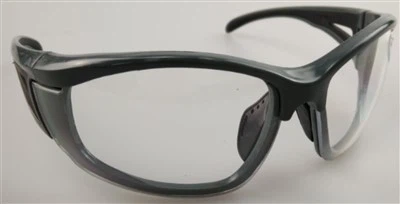
    Clear Anti Fog Safety Glasses

    1) Model number: THSG-142) Brand: TOHO or OEM3) Comply to ANSI Z 87.1-2003 & CE EN1664) These glasses are made of high-quality materials that are durable and scratch-resistant. The lenses are made of

    Add to Inquiry
  • Safety Goggles In Welding

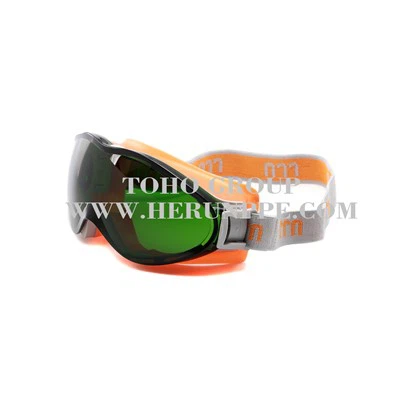
    Safety Goggles In Welding

    Single lens strcture, comfortable to wear. Supple PVC frame, PVC lensCan go together with eyeglassesDifferent color frame can be customized

    Add to Inquiry
  • Fogless Safety Glasses

    Fogless Safety Glasses

    1. The frame is made of PVC, it's soft and comfortable.2. The lens are made of PC. the impact is not easy to break, effective barrier ultraviolet. 3. Broad and fully adjustable headband4. Comply with

    Add to Inquiry
  • UV Protective Eyewear

    UV Protective Eyewear

    1) Comply to ANSI Z 87.1-2003 & CE EN1662) Polycarbonate lens, effectively protect against impact damage, block 99.9% of UV products, and Lens color for option: Clear/Gray/Yellow/Mirror3) Temples for

    Add to Inquiry
  • Anti Dust Goggles

    Anti Dust Goggles

    1. Model number: THSG-6082. Brand: TOHO or OEM3. Comply to CSA Z 94.3-0.7, ANSI Z87.1-2003 & CE EN166B.4. The temples are made by Nylon, the lens are made of high intensity and transparency PC. Color

    Add to Inquiry
  • Transparent Eye Protection Glasses

    Transparent Eye Protection Glasses

    1) Model number: THSG-022) Brand: TOHO or OEM3) Comply to ANSI Z 87.1-2003 & CE EN1664) Polycarbonate lens, effectively protect against impact damage, block 99.9% of UV products, and Lens color for

    Add to Inquiry
  • Anti Fog Protective Glasses

    Anti Fog Protective Glasses

    Comply with ANSI Z87.1-2003 & CE EN166BAnti-fog lens to protect against fogging.General use goggles with polycarbonate lens which protect against dust and impact.Fit over personal spectacles

    Add to Inquiry
  • Non Scratch Safety Glasses

    Non Scratch Safety Glasses

    1. Soft and comfortable flexible vinyl frame with direct ventilation. 2. Comply with CE EN166B and ANSI Z87.13. Excellence Impact resistance, can prevent eye damage caused by splashing of iron

    Add to Inquiry
  • High Impact Safety Goggles

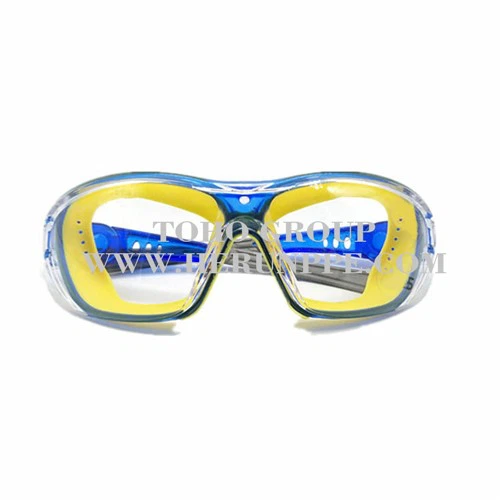
    High Impact Safety Goggles

    Strong Impact Resistance, Can Effectively Prevent Iron Filings, Gravel, Ash Sand And Other Obejects To Protect Eyes.Comfortable Nose Frame Made By High Quality Soft Materials, Can Ease The Pressure

    Add to Inquiry
  • Anti Fog And Scratch Safety Glasses

    Anti Fog And Scratch Safety Glasses

    4-position adjustable temples; Nylon temples; One-piece wraparound PC lens, lens color available: Clear Gray/Yellos

    Add to Inquiry
First 12 Last 1/2

Safety goggles is use for protecting eyes, can be with different function like: Anti-scratch, anti-impact, anti-dust, anti-fog, TOHO's safety goggle comply to CE EN166, Ansi Z87.1 and CSA Z94.3-07

Why Choose US

Why Choose US


Our factory
As a long history factory, we are first-class in scale, capital, staff,research and development, technology and price. We can provide you best product with best price.

Professional Equipment
We have advanced imported textile machines, dye equipment, computer pattern sewing machine, air compressor and full sets of testing machine, such as Universal Tensile Strength Testing Equipment, Salt Spray Corrosion-resistance Testing Equipment, Webbing Wear-Resistance Testing Equipment, UV lamp testing Equipment,Flame-Resistance testing Equipment, bending test machine, hardness test machine and 8-meter fall attest testing tower, etc.

Professional team
Professional technical personnel and skilled worker keep us at the forefront of the industry. Our products are CE and ANSI certificated. We can produce all kinds of safety harness and accessories in accordance with European standard, American standard and Australian standard. In addition, we can also make customerized style as per your requirement.

Quality control
From raw material control to production process control to finished product testing control, we strictly follow the quality management system. Our factory is ISO9001:2015 certified. Static strength test and Dynamic performance test for our products are conducted according to EN 364. We will do bending, hardness, Salt Spray Corrosion-resistance and tensile strength test for hardware to ensure its quality and your safety. For the webbing, we will do Wear-Resistance Test, UV lamp test and Flame-Resistance test, etc.


Anti Splash Safety Goggles


Types of Safety Goggles

Polarized safety glasses: These often feature lenses embedded with a polarized or laminated film filter to block intense reflected light. As a result, they eliminate glare and improve the user's vision, making them ideal for highly-lit applications such as electrician-related tasks.
Prescription safety glasses: These are manufactured with a prescription lens. Prescription safety glasses are specially designed for individuals with already existing visual concerns and are often tailored to specifications set by their professional eye care expert.
Construction safety glasses: This style offers optimum impact protection from the many hazards construction workers are exposed to at work.
Fog-proof safety glasses: Also known as anti-fog glasses, these are often ANSI-approved and feature lenses that remain fog-free for about eight seconds even when worn in humid conditions.


Features of Safety Goggles


Safety Glasses are a simple yet effective type of protective eyewear. The variety of styles available means they can be used by almost anyone and multiple types of protective coatings for the lenses means they can provide the required protection against many different hazards.

Lens size: Quite simply, the size of the lens will make a big difference in the size of the area protected when worn; a larger lens will cover and protect the wearer more. But there is more than just the size, unless you need over glasses safety glasses to fit over your specs!

Lens shape: The effectiveness of the protection will be affected by the shape of the lens, and the closer fitting the lens is to the wearers face, the better the eyewear will protect from hazards. Most Safety Eyewear will have a “wrap-around” lens; the lens is concave and follows the general shape of the wearers face.
More advanced Safety glasses will take this further and the edges of the lens are angled back even further towards the wearers face, minimising the space between the eyewear and the face. The lens shape can also affect the field of vision, so be careful to use eyewear that creates minimal obstruction or “blind spots” when being worn.

Optical Clarity of Lens: Another element that can affect the wearer's vision is the quality of the optical clarity. Class 1 optical clarity is the highest quality and means it is safe for the eyewear to be worn “continuously” without harming the eyes.
Class 2 is suitable for intermittent use, while the lowest quality, Class 3, is only suitable for occasional use and should not be worn for any lengthened period of time.

Lens protective properties: There are many protective properties lenses can have, and you can read about these in our “Safety Eyewear standards explained” article. To cover these briefly though, you can find lenses that provide the following protection.

  • Anti-Scratch - Protects from lens surface damage, maintaining the optical clarity.
  • Anti-Mist/Anti-Fog - Prevents the lens from misting/fogging to keep vision clear.
  • Anti-Glare (EN172) - Reduces sun-glare, common for eyewear worn outdoors.
  • Welding filters (EN169) - To varying degrees, these provide protection from welding and related activities.
  • Ultraviolet (UV) filters (EN170) - Provides protection from exposure to UV.

Mechanical Strength: This refers to the level of impact protection the eyewear can withstand. The maximum protection Safety Glasses can provide is Low Energy Impact rating “F”, which will resist a 6mm, 0.86g ball travelling at 45m/s. Both the lens and the side-arms must be tested, and the eyewear will be rated according to the lowest protection level either achieve.

Side-arm style: Although Safety Eyewear is primarily concerned about protecting the eyes, by choosing a style that has wider side-arms, you can also increase the protection to the temple area. The relevance of this is, of course, dependent on the environment in which they are worn, but is worth considering if the option is available to you.

Over-Spectacles: Safety over-glasses safety specs is a specific style of Safety Glasses, designed to be worn over the top of prescription eyewear. This is because most Prescription eyewear doesn't meet the required safety standards and so can't be used as a replacement to Safety eyewear.


Safety Goggle Frame and Lens Codes Explained
 

Safety goggles and safety glasses are classified according to a European safety standard known as EN 166: 2001. All protective eyewear sold in Europe must comply with this code.
Three separate standards - EN 170, 171 and 172 - define levels of protection against ultraviolet radiation, infrared radiation and sun glare respectively.
Each set of standards defines a series of quality ratings, which are indicated by mandatory markings on the frames and lenses of each protective device. Assess the overall safety of the eyewear via the lowest rating displayed.

 
Strength Ratings

The strength of safety goggles is indicated with the following codes:
●Resistant to a small object moving 12 metres per second
●Resistant to a small object moving 45 metres per second
●Resistant to a small object moving 120 metres per second
●Resistant to a small object moving 190 metres per second
●Resistant to impacts at extreme temperatures

 
Frame Style and Protection Ratings

The frame style and protective capabilities of safety goggles are indicated by the following codes:
●Will protect against splashes (normally fully sealed goggles)
●Protects against larger dust particles (over five microns)
●Protects against smaller dust particles (under five microns)
●Protects against electrical arcs (discharges) caused by a short circuit
●Will protect against hot projectiles

 
Lens Property Ratings

As the name suggests, lens ratings are used to indicate the strength and capabilities of these crucial components. As such, there is some overlap with the overall strength ratings listed above.
●Protects against small objects moving at 12 metres per second
●Protects against small objects moving at 45 metres per second
●Protects against small objects moving at 120 metres per second
●Protects against small objects moving at 190 metres per second
●Resistant to extreme temperatures
●Resistant to fogging or misting in cold temperatures
●Resistant to scratches made by fine particles such as dust
●Resistant to electrical discharge arcs caused by short circuit faults
●Protects against hot projectiles


Safety Glasses VS Goggles

Design: Safety glasses feature a standard sunglass design with adjustable arms, while safety goggles spot an elastic rubber strap that you wear around the head.
Function: Safety glasses are essential for impact protection, while safety goggles offer more comprehensive eye protection from impact, airborne pathogens, and splash hazards.
Side shield: Glasses feature a side shield, while goggles are often large and feature a cup-like design with vents around the eye area.

Impact Resistant Safety Glasses


The Role of Safety Goggles in Personal Protective Equipment


Category of Hazard

The Hazard

About the Hazard

Intense Light and Radiation

Visible light

Welding creates incredibly bright light, exceeding the sun's intensity. Unprotected exposure can cause temporary or permanent vision loss, including "welder's flash" (arc eye) - a painful corneal burn.

Ultraviolet (UV) radiation

Infrared (IR) radiation

Flying Debris and Sparks

Sparks & Splatter

Welding processes generate sparks, molten metal splatter, and chipping slag. These hot particles can easily lodge in the eyes, causing serious injuries and infections.


Additional Considerations When Selecting Safety Glasses and Goggles


Durability
Both safety glasses and goggles are an investment, and the last thing you want is a pair that breaks after a week or worse, breaks on impact while you're wearing them. So, ensure you consider the durability of the material used. Usually, most quality protective goggles and glasses feature lens made from polycarbonate, a lightweight material known for excellent UV and impact-resistant material. Other great material alternatives include NXT & Trivex, glass, and acrylic. These materials are durable enough to withstand impact, and even if they do break, they don't often shard, meaning they won't pose an eye safety hazard even if they break when wearing them.


Lens coatings and tints
Lens coatings refer to treatments added to safety glass and goggles lenses to boost their functionality and appearance. The most common include UV-protection coatings meant to make the safety glasses or goggles UV-resistant and anti-fog coatings often used in fog-proof safety glasses. Tints, on the other hand, reduce light intensity. They range from simple colored coatings that protect the user from bright light to specially-tinted lenses that protect from specific hazards such as weld flashes from welding applications.


Comfort
The safety glasses or goggles you opt for may be of superior quality. Still, if you're not comfortable wearing them, you'll probably ditch and work without them, exposing yourself to hazards. Instead, look for protective goggles or lightweight cutting torch glasses with adjustable sidearms or elastic rubber to ensure a comfortable fit. Also, always prioritize fog-proof safety glasses or vented protective goggles.


FAQ
 

Q: What do PPE safety goggles do?

A: Safety goggles are mandatory PPE (Personnel Protective Equipment) and a necessary requirement for any job site. safety goggles are designed to fit around the eye and shield it from different hazards like impact or chemical splash. To protect your eyes, you should always wear safety goggles.

Q: When must safety goggles be worn?

A: Safety goggles should be worn when you need protection against more substantial eye hazards, such as chemical splashes, liquid or caustic substance exposure, fine dust or particles, and potential high-impact risks.

Q: What qualifies as safety glasses?

A: Regular glass frames and lenses can shatter and send shards into eyes. Unless ANSI rated, regular glasses are not meant to protect eyes from debris. Safety rated glasses will have an ANSI rating stamped on the bow of the frame. The ANSI Z87 rating stamp refers to protection against impact.

Q: How do you wear a safety goggle?

A: The nose piece should also be comfortable and contact the bridge of your nose without pinching or consistent pressure. The overall weight of your safety glasses should be evenly distributed between your ears and your nose so that frames sit comfortably and evenly on your face.

Q: Are safety goggles considered PPE?

A: Dust. In particular, safety goggles are the only PPE which provide adequate protection against harmful dust and airborne particles as they form a protective seal around the eyes.

Q: What category are safety goggles in PPE?

A: Safety goggles are usually classified into categories II and III depends on its application to different hazards, such as chemical splashes, laser radiation, and flying debris.

Q: What happens if you dont wear safety goggles?

A: If you're not wearing safety glasses or goggles on the job, you're risking permanent eye damage and blindness. Think about all the work activities you may do each day that can cause eye injury: grinding, sanding, brushing, sawing, drilling, buffing, hammering, cutting, welding and working with chemicals.

Q: Who should wear safety goggles?

A: Lab workers are required to wear the eye protection at all times when working with hazardous materials. The required eye and face protection for all work with chemicals that can cause eye injury use (i.e., corrosive, formaldehyde, and methylene chloride) are: Goggles with indirect ventilation (marked "ANSIZ87 D3")

Q: What is the difference between safety goggles and safety glasses?

A: Firstly, protective glasses (goggles) are held to the wearers face using an elasticated strap running around the back of the head, as opposed to the side-arms on Glasses. Secondly, protective safety goggles will have a soft inner seal, often foam or rubber, to seal the gap between the lens and the wearer's face.

Q: How many types of safety goggles are there?

A: Safety goggles are wraparound, single-lens, and rectangular. Goggles are made of plastic, leather, and metal. Plastic safety glasses are lightweight, comfortable, and easy to clean.

Q: When would you choose to use safety glasses rather than goggles?

A: If you need them, purchase safety goggles that fit over your frames or use prescription safety glasses. Safety glasses - Protection for tasks such as sawing, hammering and drilling. Safety goggles - More coverage shields against dust, liquids, optical radiation or high-heat hazards.

Q: Are goggles better than safety glasses?

A: While safety glasses protect from high impact, they do not provide complete eye protection from all elements in the air because there are small gaps around the top, sides and bottom. There are many work and sport environments in which safety goggles would be a better choice to provide complete eye protection.

Q: Can you wear safety glasses all day?

A: Wearing these glasses, even for hours at a time, is not going to put your eye health in jeopardize. In fact, by doing so, you will be taking a large step forward in protecting your eyes from flying debris and flying materials.

Q: What is the difference between glasses and goggles?

A: Glasses or eyeglasses are used to help a person see better. They are usually made of a metal or plastic frame and two lenses that improve vision. Goggles are used to protect the eyes from dust, debris, water, or other things that can harm the eyes.

Q: What is the difference between a safety goggle and a face shield?

A: Chemical splash goggles (those with indirect ventilation on sides) are required where protection is needed against chemical splashes or sprays. These may also be used where impact protection is required. Face shields are required where facial skin protection is needed.

Q: Do safety glasses have UV protection?

A: Standard PPE safety glasses: Standard UV-Protection Glasses provide all-purpose protection against both direct eye hazards (e.g., debris) and indirect hazards (e.g., UV rays). Standard safety glasses tend to have clear polycarbonate lenses buffering 90-100% of UV radiation.

Q: Can safety glasses be used for the same purpose as safety goggles?

A: Safety glasses ("spectacles") have side shields and provide less protection from eye injuries than goggles. The correct type of eye protection is based on the hazard review of the work being performed.

Q: Why are safety glasses blue?

A: Lenses with a blue tint are similar in use to yellow/amber lenses and can help reduce brightness and glare in indoor areas with fluorescent lights. Blue-tinted safety glasses are ideal for completing inspections and other tasks where glare, eye stress and fatigue are common.

Q: When must safety goggles be worn?

A: Safety goggles should be worn when you need protection against more substantial eye hazards, such as chemical splashes, liquid or caustic substance exposure, fine dust or particles, and potential high-impact risks.

Q: How do I choose safety goggles?

A: The safety eyewear should fit properly and be comfortable to wear. The safety eyewear must provide unrestricted vision and movement. The safety eyewear should be durable and cleanable. The safety eyewear should not interfere with or restrict the function of any other PPE the employee wears.

We're well-known as one of the leading safety goggles manufacturers and suppliers in China. Please feel free to buy customized safety goggles made in China here from our factory. Good service and quality products are available.

PPE Hardware, , safety harness kit with rope lanyard
goTop

(0/10)

clearall