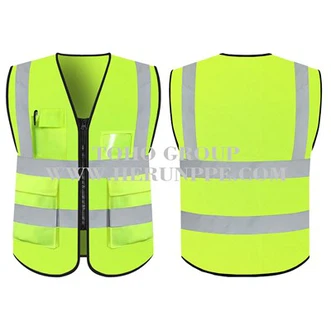
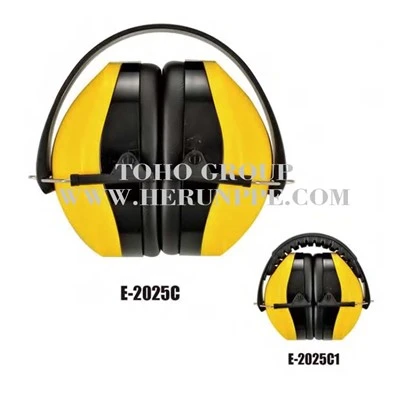
Safety helmets, often referred to as hard hats, are essential personal protective equipment (PPE) for millions of workers worldwide in different places. These helmets are specially designed to protect the head from impacts, electrical hazards, flying objects, and other potential hazards. The helmets mainly provide head protection from various risks in the work environment, have effective in reducing injuries and fatalities due to head injuries in the workplace. They are used across multiple industries, including construction, mining, buildings, and utilities, to ensure the safety and well-being of workers.
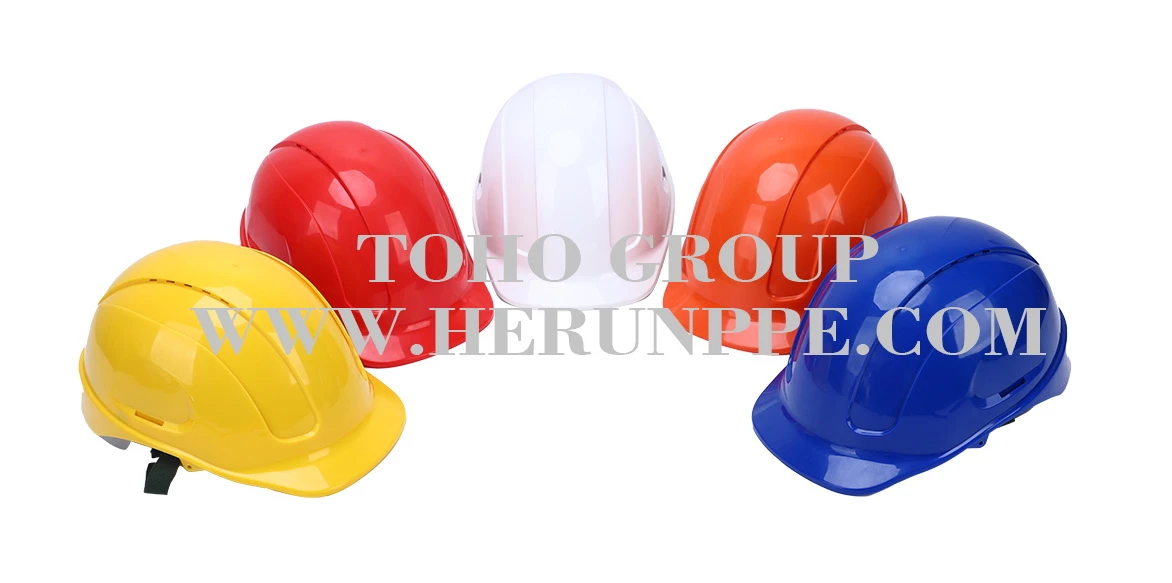
It must meet certain standards for quality and safety. The most commonly recognized standards are EN397 and ANSI Z89.1. The helmets are produced according to the EN standard and ANSI which ensure the quality and safety. Both standards have different testing procedures and requirements to ensure that the helmets meet specific guidelines for head protection.

It is essential to ensure that industrial protective helmets are in good condition before use. Checking helmets before using them can help to identify any damage, wear, or tear that may compromise their effectiveness. Some of the things to check for include dents, cracks, and scratches that may indicate signs of impact or wear. It is also essential to check for any worn-out or loose suspension systems, which can cause the helmet to become unstable and hence increase the risk of injury.
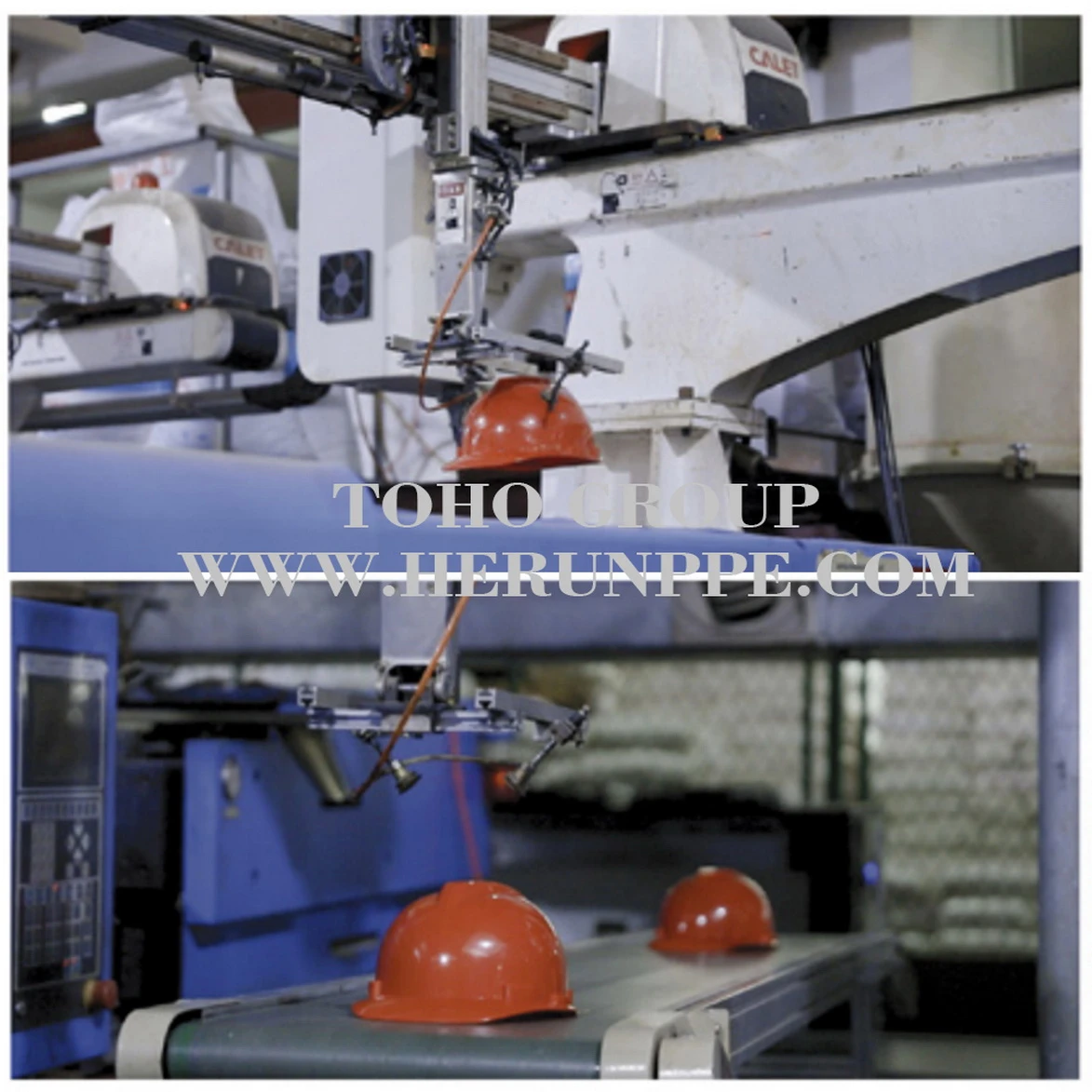
In conclusion, safety helmet are critical in ensuring the safety of workers in various industries. They must meet specific safety standards and regulations to ensure that they provide adequate head protection. Regular inspection and maintenance of the helmets will help to maintain their effectiveness in preventing head injuries in the workplace.