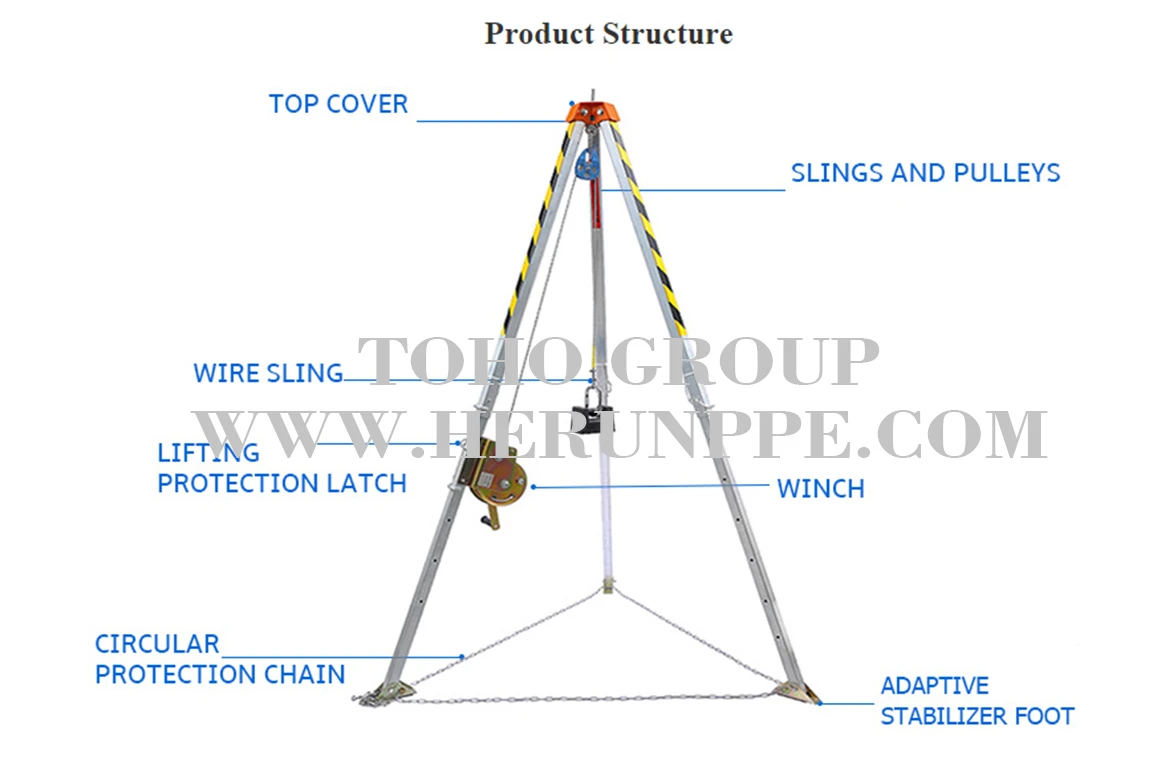
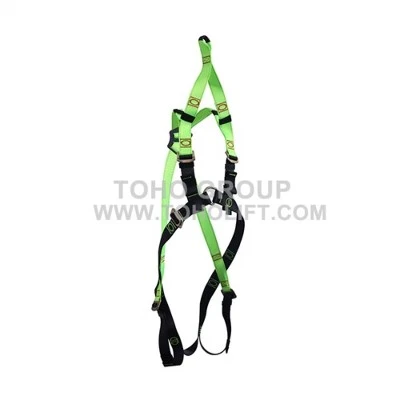
The rescue tripod is a critical piece of equipment used in emergency rescue situations. As a rescue device, it is designed to withstand extremely heavy loads and provide stability and balance to rescue operations.
To effectively use a rescue tripod, industry management knowledge is essential. First, it is crucial to select a suitable location for the tripod, ensuring that it can be safely anchored to the ground. A risk assessment should be performed to identify potential hazards and create a safe work plan.
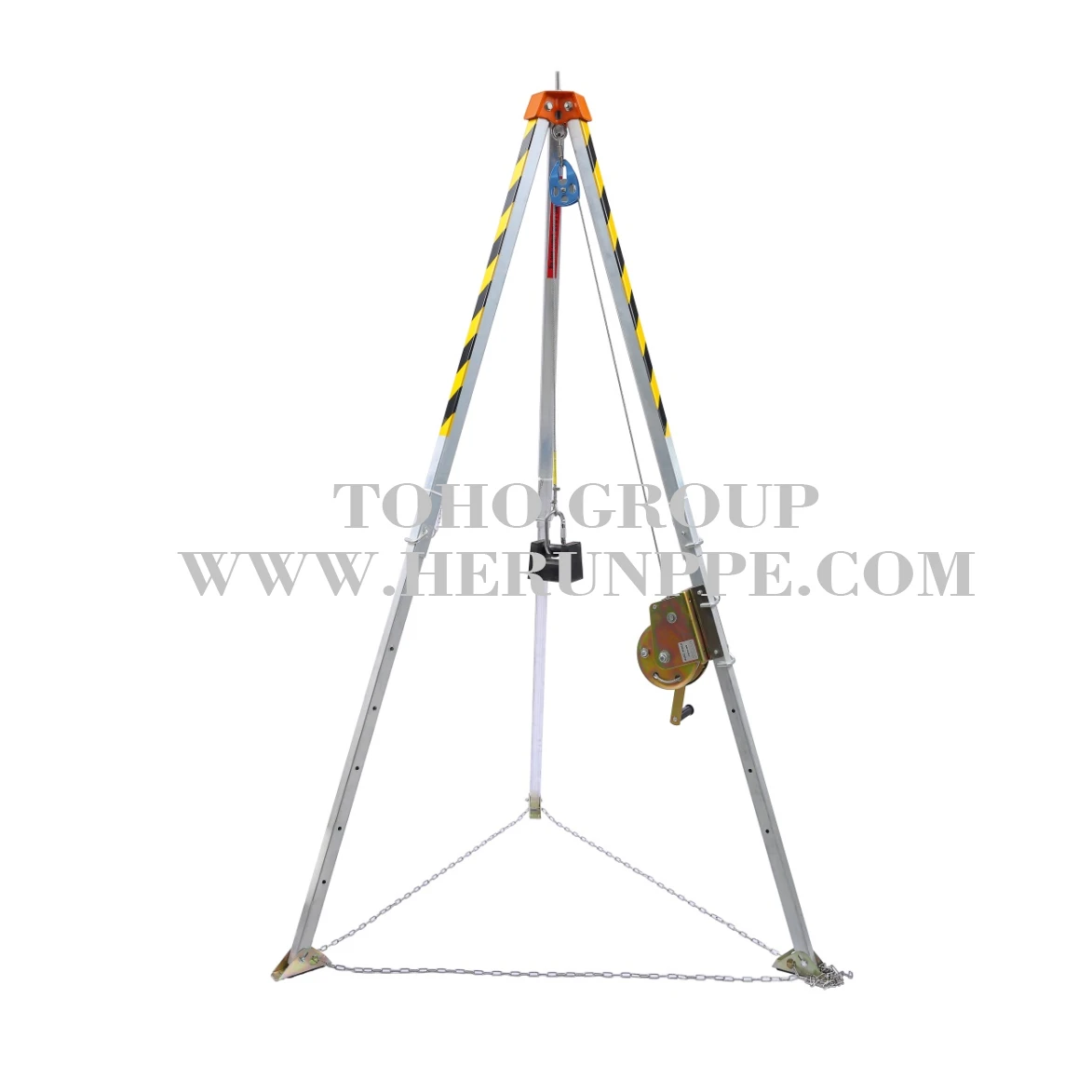
Once the rescue tripod is secured, personnel can use it to hoist equipment and lower ropes to access difficult-to-reach areas such as confined spaces, steep terrains, and high altitude locations. Proper communication, teamwork, and coordination are essential when using a rescue tripod to ensure that the rescue operation is conducted safely and efficiently.
The rescue tripod is used in a variety of rescue settings, including fire and rescue operations, municipal emergency management, and industrial settings. It is particularly useful in rescue operations involving trenches, mines, and construction sites. The device is designed to support large loads and enable rescuers to access otherwise inaccessible areas safely.

In conclusion, the use of a rescue tripod requires industry management knowledge to ensure a safe and successful operation. With proper training and understanding of rescue equipment and techniques, the rescue tripod can be a reliable and effective tool for emergency responders. Its application ranges from localized incidents to national emergencies. As such, the rescue tripod plays an indispensable role in saving lives and protecting property.