Roof work is a perilous yet essential aspect of construction and maintenance. The elevated nature of the job exposes workers to significant risks, including falls from heights, which can lead to severe injuries or even fatalities. To mitigate these hazards, roof workers rely on safety harnesses, a vital piece of personal protective equipment (PPE) designed to keep them safe in case of an accidental slip or fall. In this article, we will delve into the significance of roof workers' safety harnesses and introduce the TOHO Model TH148141, a premium option for those working at heights.
What is a roof worker' safety harness
A roof workers' safety harness is a specialized piece of equipment worn by individuals engaged in tasks that involve working at heights. It is designed to distribute the impact force evenly across the wearer's body in the event of a fall, minimizing the risk of injury. The harness typically consists of a series of interconnected straps and buckles, which attach to a secure anchor point (such as a lifeline or anchorage connector) to prevent the worker from falling to the ground.
Key Components of a Safety Harness
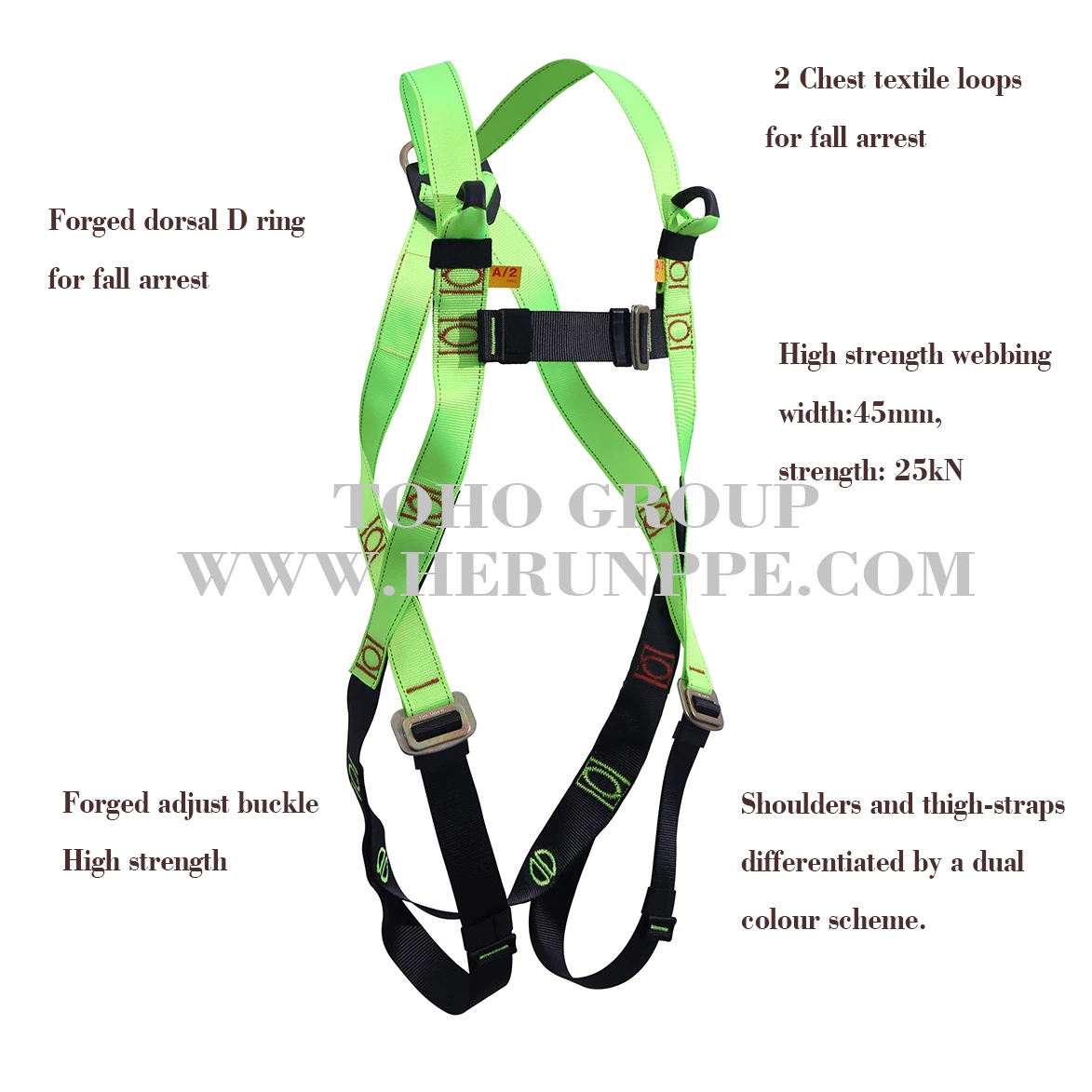
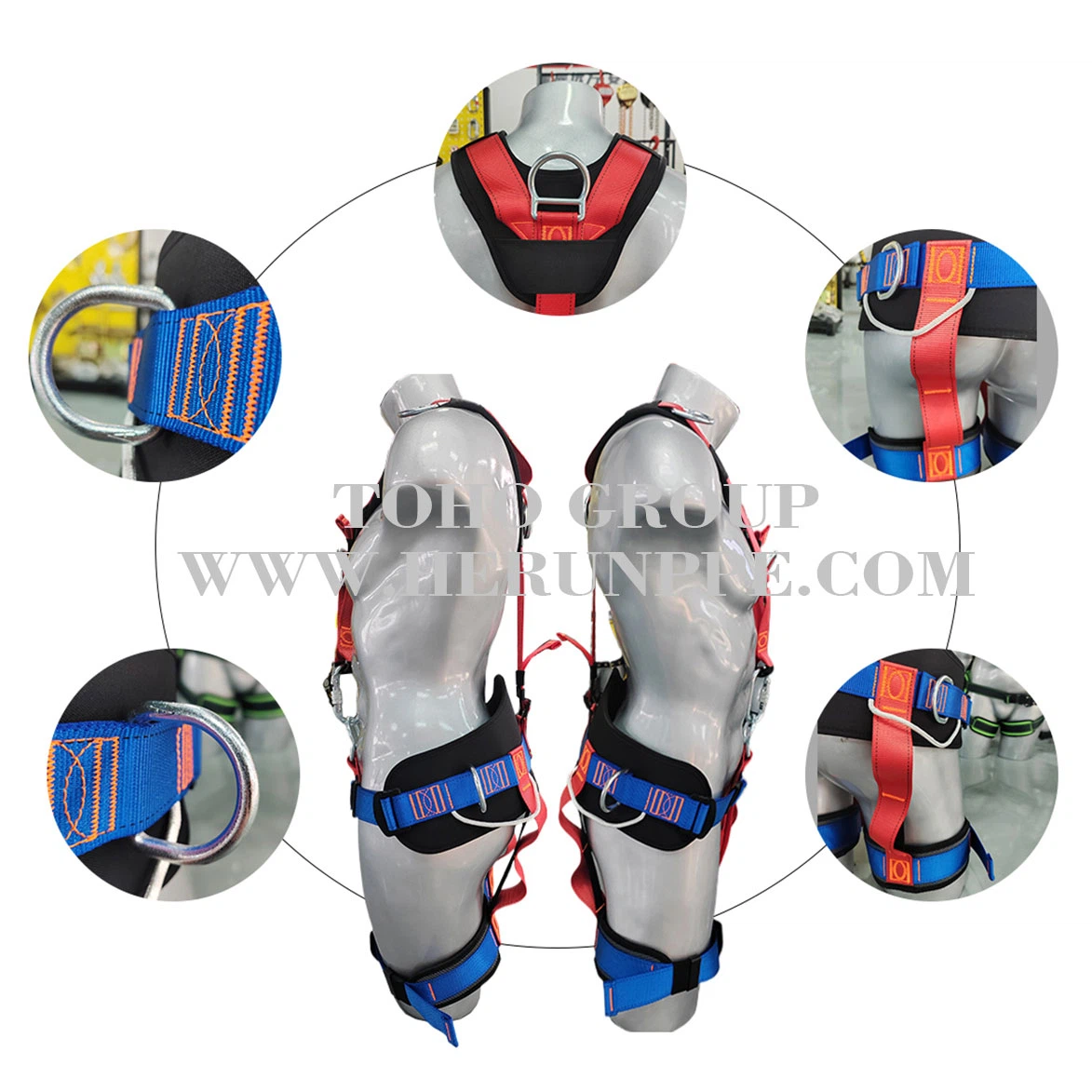
A typical safety harness for roof workers includes several key components:
Shoulder Straps: These distribute the load evenly across the wearer's shoulders, providing a stable platform for the harness.
Leg Straps (or Waist Belt): Attached to the shoulders, the leg straps wrap around the wearer's thighs or waist, ensuring that the harness remains in place even during dynamic movements.
Dorsal D-Ring: Located at the back of the harness, this is the primary attachment point for a fall arrest system. It is designed to withstand significant forces and prevent the worker from falling to the ground.
Buckles and Adjustment Straps: These allow the wearer to adjust the harness to fit their body comfortably and securely.
Why are Safety Harnesses Crucial for Roof Workers
Roof workers operate in environments with little or no natural barriers to prevent falls. Even a minor slip on a wet or slippery surface can result in a catastrophic fall. Safety harnesses provide a crucial layer of protection by:
Minimizing Injury Risk: In the event of a fall, the harness distributes the impact force across the wearer's body, reducing the likelihood of serious injuries such as broken bones or spinal trauma.
Enabling Rescue Operations: When properly anchored, a safety harness allows for the swift and safe rescue of a fallen worker, minimizing downtime and reducing the overall risk to the worker's life.
Increasing Worker Confidence: Knowing that they are protected by a reliable safety harness can boost the confidence and productivity of roof workers, enabling them to focus on the task at hand without fear of accidents.
Introducing the TOHO Model TH148141
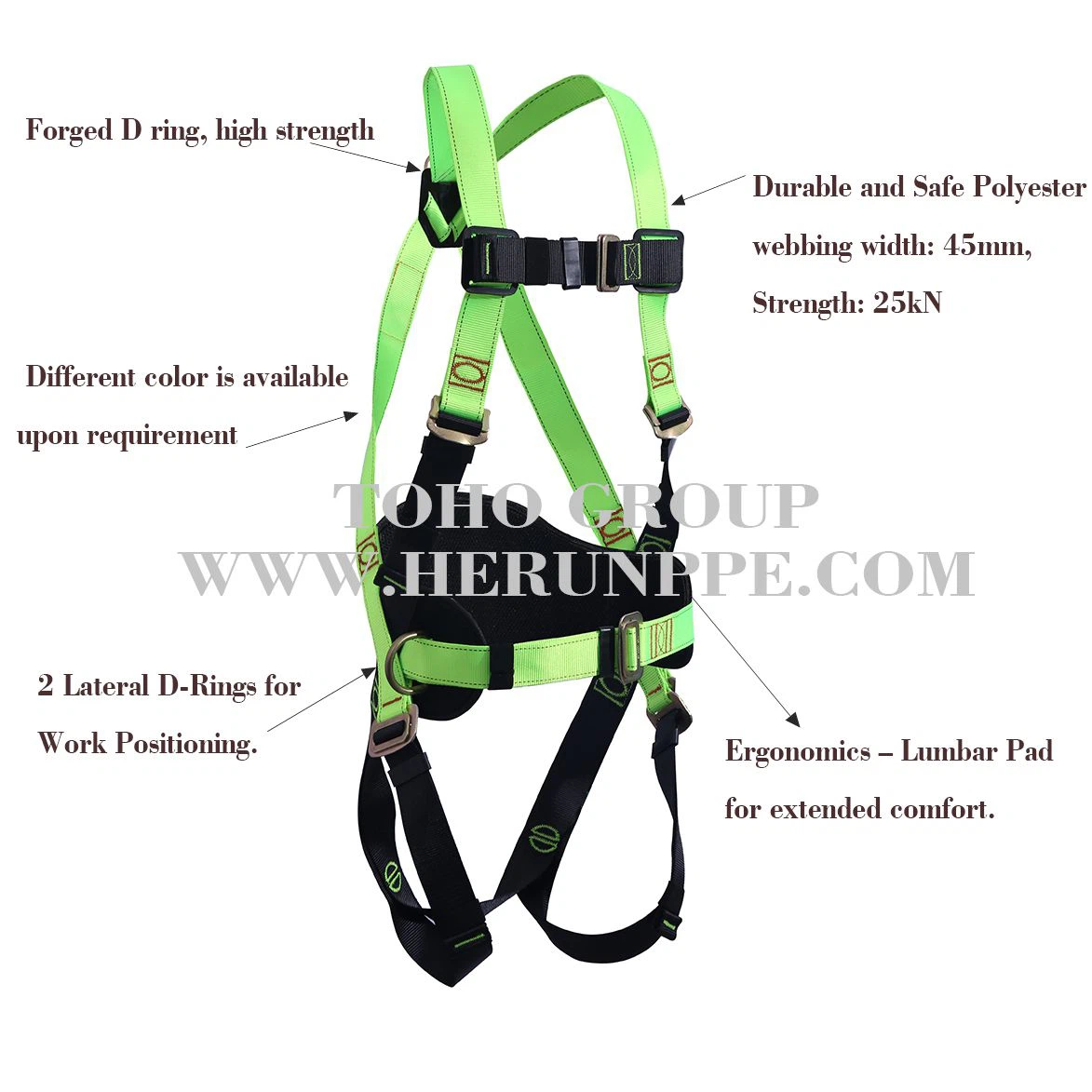
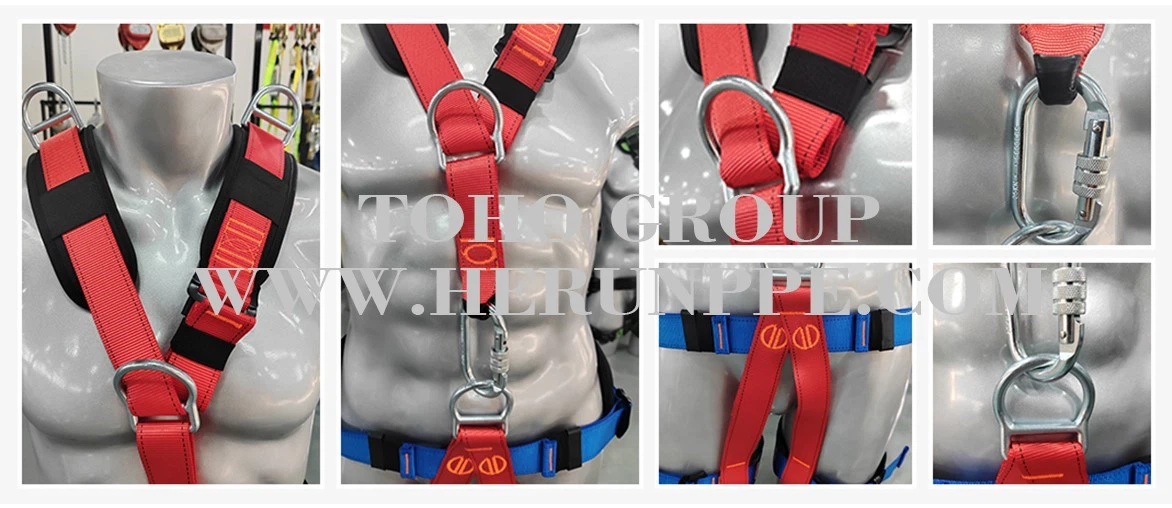
The TOHO Model TH148141 is a premium safety harness designed specifically for roof workers and other professionals working at heights. This harness boasts several features that make it an excellent choice for demanding applications:
High-Quality Materials: Crafted from durable, lightweight materials, the TH148141 ensures both comfort and longevity.
Comprehensive Protection: With its comprehensive design, the harness provides ample coverage and support, ensuring that the wearer is well-protected in all directions.
Easy Adjustment: Equipped with user-friendly buckles and adjustment straps, the TH148141 can be quickly and easily adjusted to fit a wide range of body types.
Compliance with Standards: The harness meets or exceeds industry standards, including CE and EN361-2002, ensuring that it provides the highest level of protection for workers.
In conclusion, roof workers' safety harnesses are indispensable tools that help protect workers from the hazards of working at heights. The TOHO Model TH148141, with its superior design and construction, is an excellent choice for those seeking a reliable and comfortable harness that meets the demands of even the most challenging roof work environments. By investing in quality safety harnesses, employers can help ensure the well-being of their workforce and maintain a safe and productive work environment.