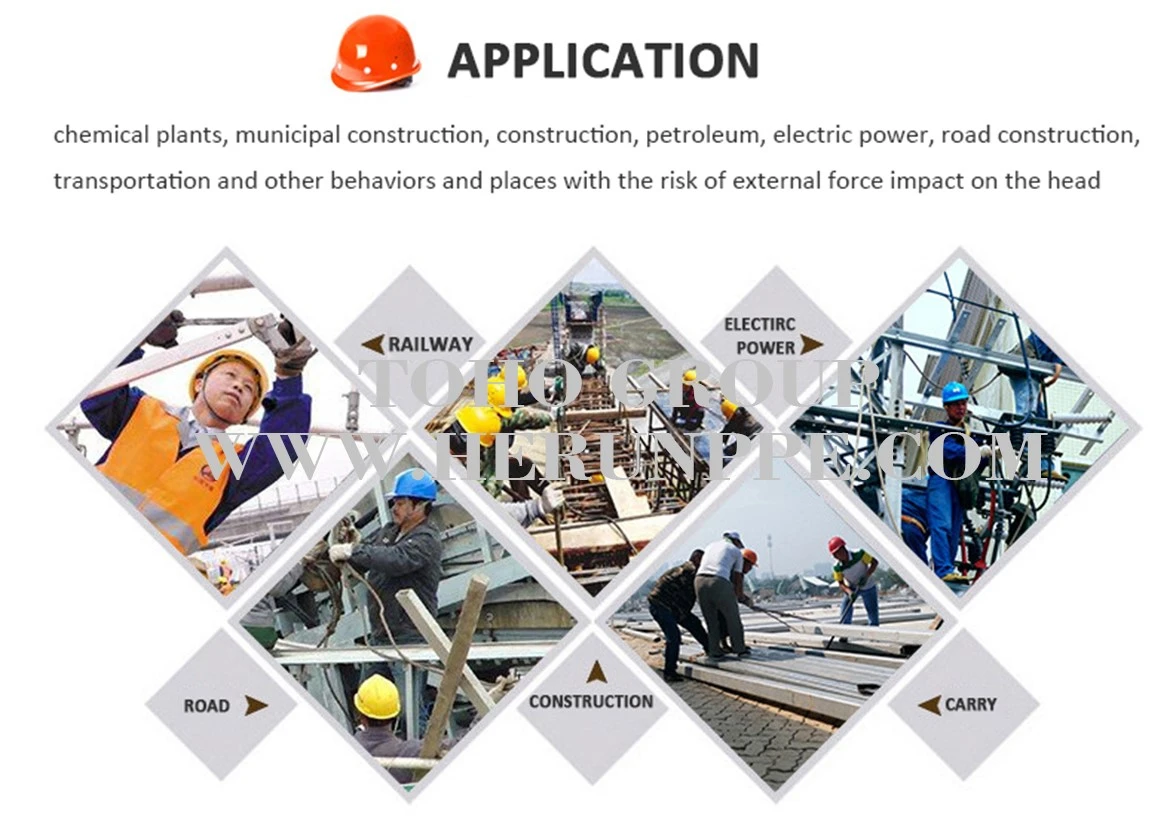
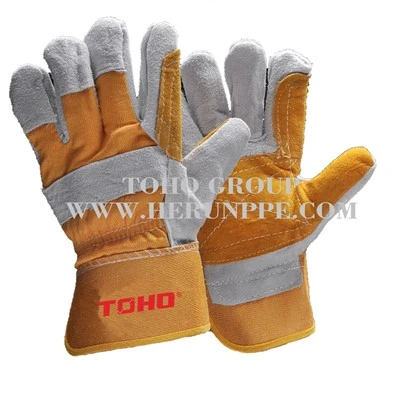
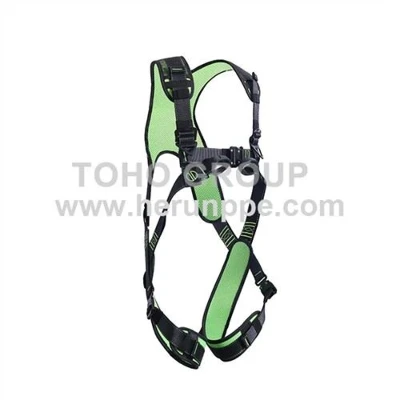
A safety helmet is a personal protective equipment (PPE) worn on the head to protect against falling objects, electrical hazards, and other potential dangers in the workplace. The primary purpose of a safety helmet is to prevent head injuries and save lives in hazardous environments.
According to EN397 standards, a safety helmet must undergo several tests to meet the standard requirements. These tests include impact resistance, penetration resistance, flame resistance, and electrical insulation. The impact resistance test focuses on the ability of the helmet to absorb an impact and protect the wearer's head. The penetration resistance test assesses the helmet's ability to prevent sharp objects from penetrating through the helmet. The flame resistance test checks how the helmet reacts to an open flame, while the electrical insulation test determines the ability of the helmet to protect against electrical hazards.
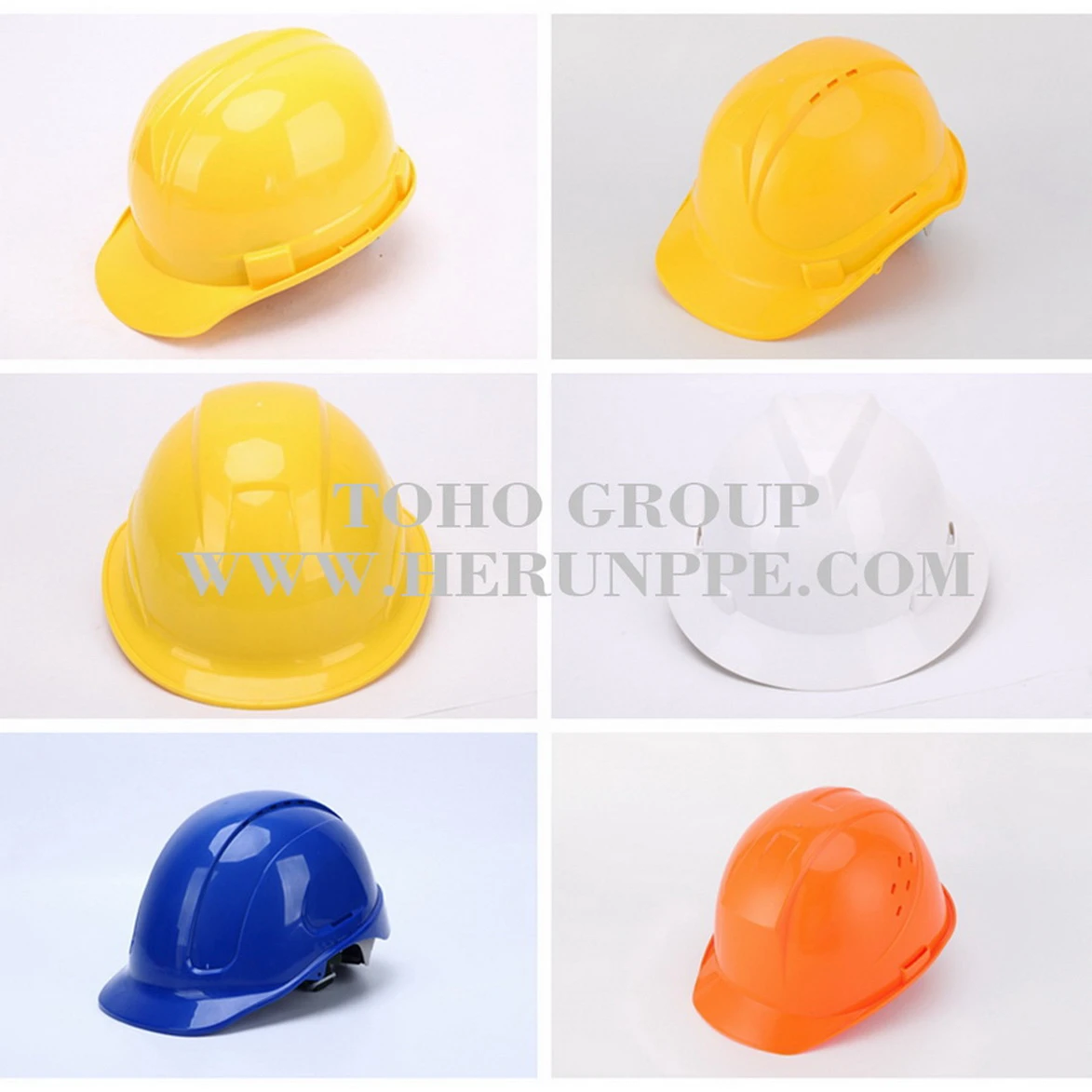
Safety helmets are used in a wide range of industries, including construction, mining, manufacturing, and oil and gas. With a high risk of head injuries in these fields, the use of safety helmets has become mandatory to protect workers. In addition, safety helmets are available in various designs and colors to provide visibility and distinguish between job roles.
In conclusion, safety helmets are an essential PPE that plays a significant role in protecting workers' heads from potential danger in the workplace. With strict EN397 standards, safety helmets must undergo several tests to ensure they meet specific criteria to prevent injuries. Therefore, it is crucial to ensure that the safety helmet used is properly certified and meets all necessary standards.