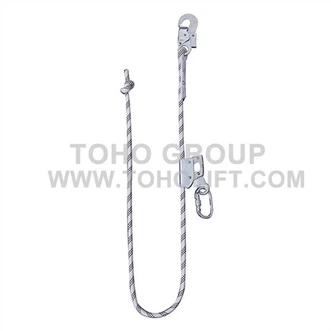
Full body harness and lanyard is a serious concern in industries such as construction, rigging, and maintenance. In order to protect workers from such hazards, safety harnesses and other fall protection equipment must be thoroughly tested for their reliability and effectiveness. The tests for Full body harness and lanyard are designed to simulate extreme conditions and stresses that equipment may face in actual use.

One crucial aspect of testing is the Pulling Force Test. This test puts the safety harness or fall protection equipment under tension for a specified period of time to ensure that it is strong enough to support the weight of a falling worker. The Static Load Test, on the other hand, checks the harness's ability to support a weight for a prolonged period of time, simulating the conditions of a real-life fall.

Another important area of testing is the Wear Resistance Test. This assesses the durability of the materials used in the harness, specifically looking at whether the equipment is able to withstand daily wear and tear from use. The Flame Retardant Test is also crucial, as it tests the resistance of the harness to flames and fire, an essential feature in industries where welding or other hot work is taking place.

The UV Test assesses the effect of ultraviolet light on the equipment. Over time, exposure to UV radiation can damage and weaken the materials, rendering them less effective in the event of a fall. The Dynamic Test simulates the force of a falling worker on the harness and other fall protection equipment, and checks how well the equipment performs under those conditions.


Finally, two other important tests are the Salt Spray Test and 100% Visual Inspection. The former checks the corrosion resistance of the equipment, simulating exposure to salt and wind, while the latter involves a thorough visual inspection of all parts of the harness for any defects, damage or wear.

In conclusion, safety harnesses and fall protection equipment must undergo a series of rigorous tests before they can be certified for use. These tests cover a range of factors including strength, durability, flame-retardant properties, weather-resistance and visual appearance. Only with the assurance of high-quality equipment can workers feel safe in protecting them while working at height.