

Moisture-wicking is a crucial factor when it comes to half-body safety harnesses, especially for users who engage in strenuous activities or work in hot and humid environments. As a half-body safety harness supplier, we understand the importance of providing options that keep users dry, comfortable, and focused on the task at hand. In this blog post, we will explore various moisture-wicking options available for half-body safety harnesses.
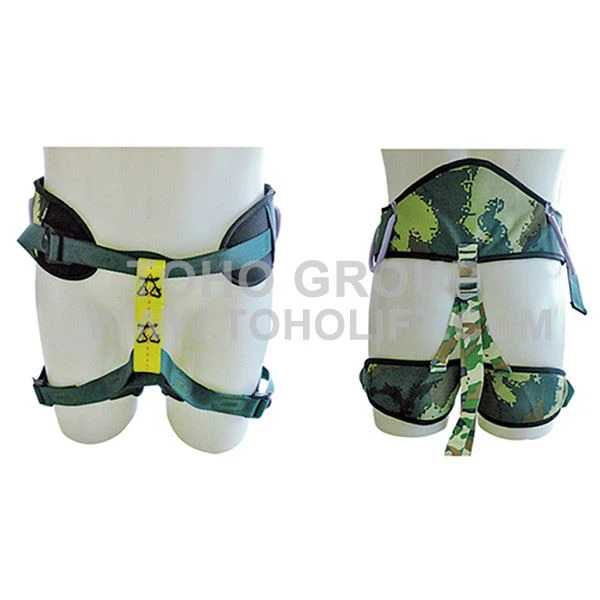

Understanding Moisture-wicking
Before delving into the options, it's essential to understand what moisture-wicking means. Moisture-wicking is the ability of a material to draw sweat away from the body and spread it over a larger surface area, allowing it to evaporate more quickly. This process helps to keep the body dry and reduces the discomfort associated with sweating, such as chafing, skin irritation, and the growth of bacteria and fungi.
Moisture-wicking Materials
1. Polyester
Polyester is a popular choice for moisture-wicking in safety harnesses. It has excellent wicking properties, which means it can quickly move sweat away from the skin. Polyester fibers are also lightweight, durable, and resistant to stretching and shrinking. These characteristics make it suitable for long-term use in safety harnesses.
Our Safety Belt Half Body Harness utilizes high-quality polyester webbing. The polyester webbing not only provides reliable strength but also effectively wicks away moisture. This ensures that users stay dry even during intense physical activities or in high-humidity conditions.
2. Nylon
Nylon is another commonly used material in safety harnesses due to its strength and durability. Some types of nylon are treated with moisture-wicking finishes. These finishes help the nylon to draw sweat away from the body and promote evaporation. Nylon is also abrasion-resistant, which is important for safety harnesses that may come into contact with rough surfaces.
The CE EN 358 Safety Mountain Harness Simple Webbing Strap Type features nylon webbing with a moisture-wicking treatment. This harness is designed for mountain climbers and workers in outdoor environments, where staying dry is essential for comfort and safety.
3. Mesh Fabrics
Mesh fabrics are known for their breathability and moisture-wicking capabilities. They have a porous structure that allows air to circulate freely, which helps to evaporate sweat more quickly. Mesh can be used in combination with other materials in a safety harness, such as on the back or shoulder areas, to provide additional ventilation and moisture management.
Our Mountaineering Harness With waist Pad incorporates mesh panels in strategic locations. These mesh panels enhance the overall breathability of the harness and help to keep the user cool and dry, even during extended periods of use.
Design Features for Moisture-wicking
1. Ventilation Channels
Some half-body safety harnesses are designed with ventilation channels. These channels are typically built into the padding or webbing of the harness. They allow air to flow through the harness, which helps to carry away moisture and heat. Ventilation channels can significantly improve the comfort of the user, especially in hot and humid conditions.
2. Adjustable Straps
Adjustable straps not only provide a customized fit but can also contribute to moisture-wicking. By allowing the user to adjust the tightness of the harness, air can circulate more freely around the body. This helps to prevent the build-up of sweat and moisture in areas where the harness is in contact with the skin.
3. Removable Padding
Removable padding is a useful feature for moisture management. If the padding becomes saturated with sweat, it can be removed and washed, allowing it to dry completely. This helps to maintain the freshness and functionality of the harness. Additionally, some removable padding is made from moisture-wicking materials, which further enhances the overall moisture management of the harness.
Benefits of Moisture-wicking in Half-body Safety Harnesses
1. Comfort
One of the primary benefits of moisture-wicking in safety harnesses is increased comfort. When the body stays dry, users are less likely to experience discomfort from chafing, skin irritation, and the feeling of being wet. This allows them to focus more on their work or activity without distractions.
2. Hygiene
Moisture-wicking helps to keep the skin dry, which reduces the growth of bacteria and fungi. This is important for maintaining good hygiene, especially for users who wear the harness for extended periods. A dry harness is also less likely to develop unpleasant odors.
3. Durability
By keeping the harness dry, moisture-wicking can also contribute to the durability of the harness. Moisture can cause materials to degrade over time, leading to weakening of the webbing and padding. With effective moisture-wicking, the harness is less likely to be damaged by moisture, which extends its lifespan.
Considerations When Choosing a Moisture-wicking Half-body Safety Harness
1. Activity Level
The level of activity of the user is an important consideration. For users who engage in high-intensity activities, such as rock climbing or construction work, a harness with superior moisture-wicking capabilities is essential. These users will likely sweat more, and a harness that can effectively manage moisture will keep them comfortable and focused.
2. Environmental Conditions
The environmental conditions in which the harness will be used also play a role. In hot and humid climates, a harness with excellent ventilation and moisture-wicking properties is necessary. In colder environments, moisture-wicking is still important to prevent sweat from cooling the body too quickly, which can lead to hypothermia.
3. Fit and Comfort
In addition to moisture-wicking, the fit and comfort of the harness are crucial. A poorly fitting harness can cause discomfort and restrict movement, even if it has excellent moisture-wicking properties. It's important to choose a harness that provides a snug yet comfortable fit and allows for a full range of motion.
Conclusion
Moisture-wicking is an important aspect of half-body safety harnesses. By choosing a harness with appropriate moisture-wicking materials and design features, users can enjoy increased comfort, hygiene, and durability. As a half-body safety harness supplier, we offer a range of harnesses that incorporate the latest moisture-wicking technologies. Whether you're a professional climber, a construction worker, or someone in need of a reliable safety harness, we have the right solution for you.
If you're interested in learning more about our moisture-wicking half-body safety harnesses or have any questions regarding procurement, please feel free to contact us. We're always ready to assist you in finding the best harness for your needs.
References
- Textbooks on safety equipment design and materials
- Industry research papers on moisture-wicking technologies in textiles
