

As a trusted energy absorber supplier, I understand the critical importance of durability in these safety devices. Energy absorbers play a pivotal role in protecting individuals from the potentially catastrophic effects of falls, particularly in high - risk industries such as construction, manufacturing, and maintenance. In this blog, I will share some effective strategies on how to improve the durability of an energy absorber, ensuring that they can provide reliable protection over an extended period.
1. Material Selection
The choice of materials is the foundation for enhancing the durability of an energy absorber. High - quality, robust materials are essential to withstand the forces and stresses that these devices are subjected to during a fall.
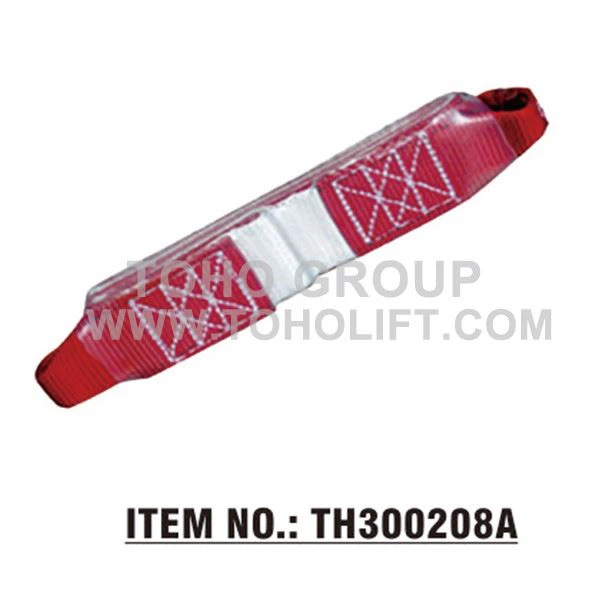
- Polyester Webbing: Polyester is a popular choice for energy absorber webbing due to its excellent strength - to - weight ratio, abrasion resistance, and low stretch characteristics. Polyester webbing can resist UV degradation, moisture, and chemicals, which are common environmental factors that can weaken materials over time. For example, the Shock absorber in safety harness often utilizes polyester webbing, which provides a high level of durability in various working conditions.
- High - Strength Fibers: Incorporating high - strength fibers such as aramid fibers (e.g., Kevlar) can significantly improve the energy - absorbing capacity and durability of the device. Aramid fibers have exceptional tensile strength and are highly resistant to heat, abrasion, and cutting. By blending aramid fibers with other materials, energy absorbers can achieve better performance and longevity.
2. Manufacturing Process
A precise and controlled manufacturing process is crucial for ensuring the structural integrity and durability of energy absorbers.
- Quality Control: Implementing strict quality control measures at every stage of the manufacturing process is essential. This includes inspecting raw materials for defects, monitoring the production process to ensure proper assembly, and conducting rigorous testing on finished products. For example, energy absorbers should undergo dynamic testing to simulate real - life fall scenarios and verify their energy - absorbing capabilities.
- Advanced Manufacturing Techniques: Utilizing advanced manufacturing techniques such as automated sewing and heat - sealing can improve the consistency and quality of energy absorbers. Automated sewing machines can ensure uniform stitch lengths and patterns, which are critical for maintaining the strength and integrity of the webbing. Heat - sealing can create strong, seamless joints that are more resistant to separation and wear compared to traditional stitching methods.
3. Design Optimization
An optimized design can enhance the durability of energy absorbers by improving their ability to distribute forces evenly and reduce stress concentrations.
- Load - Distribution Design: Energy absorbers should be designed to distribute the forces generated during a fall evenly across the entire device. This can be achieved through the use of strategic folding, stitching patterns, and the incorporation of load - distributing elements such as padding or webbing loops. By minimizing stress concentrations, the risk of premature failure is reduced, and the overall durability of the energy absorber is improved.
- Ergonomic Design: An ergonomic design not only enhances user comfort but also contributes to the durability of the energy absorber. A well - designed energy absorber should fit properly and move with the user's body, reducing the likelihood of excessive wear and tear caused by rubbing or chafing. Additionally, an ergonomic design can prevent users from misusing the device, which can also impact its durability.
4. Environmental Considerations
Energy absorbers are often exposed to a variety of environmental conditions, which can have a significant impact on their durability.
- Weather Resistance: To improve durability, energy absorbers should be designed to resist the effects of weather, including rain, snow, sunlight, and extreme temperatures. Applying protective coatings or treatments to the materials can enhance their weather resistance. For example, a UV - resistant coating can prevent the webbing from fading and weakening due to prolonged exposure to sunlight.
- Chemical Resistance: In some industrial environments, energy absorbers may come into contact with chemicals such as solvents, acids, or oils. Selecting materials that are resistant to these chemicals and implementing proper cleaning and maintenance procedures can help prevent chemical damage and extend the lifespan of the device.
5. Maintenance and Inspection
Regular maintenance and inspection are essential for ensuring the continued durability and performance of energy absorbers.
- Cleaning: Energy absorbers should be cleaned regularly to remove dirt, debris, and contaminants that can accumulate over time. Use a mild detergent and water to clean the webbing, and avoid using harsh chemicals or abrasive cleaners that could damage the materials.
- Inspection: Conducting regular inspections of energy absorbers is crucial for detecting any signs of wear, damage, or degradation. Inspect the webbing for cuts, fraying, or discoloration, and check the stitching and hardware for signs of loosening or corrosion. If any damage is detected, the energy absorber should be immediately replaced to ensure continued safety.
6. User Training
Proper user training is often overlooked but is a vital factor in improving the durability of energy absorbers.

- Correct Usage: Users should be trained on the correct way to use energy absorbers, including how to properly attach them to safety harnesses and how to position themselves during a fall. Incorrect usage can lead to excessive stress on the device, increasing the risk of damage and reducing its durability.
- Storage and Handling: Training users on proper storage and handling of energy absorbers can also help maintain their durability. Energy absorbers should be stored in a cool, dry place away from direct sunlight and chemicals. They should also be handled with care to avoid unnecessary damage.
Conclusion
Improving the durability of energy absorbers is a multi - faceted process that involves material selection, manufacturing process, design optimization, environmental considerations, maintenance, and user training. By implementing these strategies, we can ensure that energy absorbers provide reliable and long - lasting protection for workers in high - risk environments.
As a leading energy absorber supplier, we are committed to providing high - quality products that meet the highest standards of durability and safety. If you are interested in learning more about our energy absorbers or would like to discuss your specific requirements, please do not hesitate to contact us for procurement and further discussion.
References
- ASTM International. (2023). Standard Specification for Personal Fall Arrest Systems. ASTM F887 - 23.
- EN 365:2004. Personal Protective Equipment Against Falls from a Height - Connectors - General Requirements.
- OSHA. (2023). Fall Protection Standards. 29 CFR Part 1926, Subpart M.
