

Safety belts are essential safety equipment in various industries, such as construction, manufacturing, and transportation. They play a crucial role in protecting individuals from potential falls and injuries. One of the key aspects of using a safety belt effectively is ensuring that it is adjusted to the correct height. In this blog post, I'll share some insights on how to adjust the height of a safety belt, drawing on my experience as a safety belt supplier.
Understanding the Importance of Proper Safety Belt Height Adjustment
Before delving into the adjustment process, it's important to understand why proper height adjustment matters. A safety belt that is too high may not provide adequate support in the event of a fall, allowing the wearer to slip out of the belt. On the other hand, a safety belt that is too low can cause discomfort and may not distribute the force of a fall evenly, increasing the risk of injury.
Proper height adjustment ensures that the safety belt sits at the right position on the body, typically around the hips or waist, depending on the type of safety belt. This position helps to keep the wearer stable and secure, reducing the likelihood of falls and minimizing the impact of a fall if it does occur.
Types of Safety Belts and Their Height Adjustment Mechanisms
There are several types of safety belts available on the market, each with its own unique design and height adjustment mechanism. Here are some common types and how to adjust their height:
Simple Safety Belt 45mm Webbing, Length 80cm
The Simple Safety Belt 45mm Webbing, Length 80cm is a basic yet effective safety belt. It usually features a buckle and a length of webbing that can be adjusted to fit the wearer's body.
To adjust the height of this type of safety belt, first, loosen the buckle. Then, pull the webbing through the buckle to increase or decrease the length of the belt. Make sure that the belt is snug but not too tight around the hips or waist. Once you have achieved the desired height and fit, tighten the buckle to secure the belt in place.
Customized 4 Point Adjusting Full Body Climbing Harness Safety Belt
The Customized 4 Point Adjusting Full Body Climbing Harness Safety Belt is a more advanced safety belt designed for climbing and other high - risk activities. It has four adjustment points, which allow for a more precise fit.
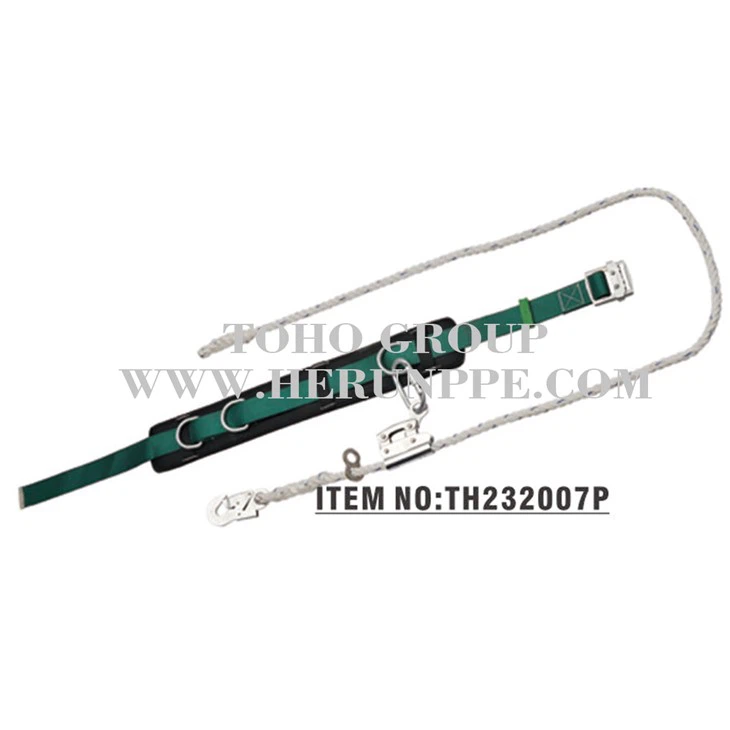
To adjust the height of this harness, start by adjusting the shoulder straps. Loosen the adjustment buckles on the shoulder straps and pull the straps up or down to the desired height. The shoulder straps should sit comfortably on the shoulders without digging in or slipping off.
Next, adjust the leg straps. Similar to the shoulder straps, loosen the buckles on the leg straps and adjust the length so that they fit snugly around the thighs. Finally, adjust the waist strap. Make sure that the waist strap is positioned at the correct height around the waist and is tightened securely.
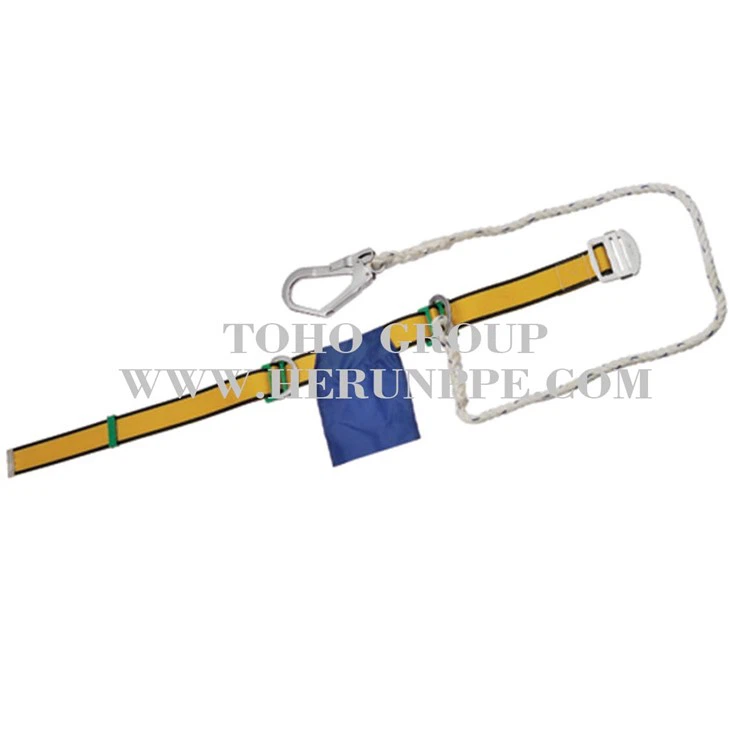
Restraint Safety Belt with Lanyard and Tool Bag
The Restraint Safety Belt with Lanyard and Tool Bag is designed to restrain the wearer in a specific position. It often comes with additional features such as a lanyard and a tool bag.
To adjust the height of this safety belt, first, check the main belt. Loosen the buckle and adjust the length of the belt to fit around the waist. Then, adjust the position of the lanyard attachment point if necessary. The lanyard should be attached at a height that allows for easy movement while still providing adequate restraint.
Step - by - Step Guide to Adjusting Safety Belt Height
Regardless of the type of safety belt, the following general steps can be followed to adjust the height:
- Inspect the Safety Belt: Before making any adjustments, carefully inspect the safety belt for any signs of damage, such as frayed webbing, broken buckles, or worn - out stitching. If you notice any damage, do not use the safety belt and replace it immediately.
- Put on the Safety Belt: Put the safety belt on as you normally would. Make sure that all the straps are untangled and that the belt is positioned correctly on your body.
- Loosen the Adjustment Mechanisms: Locate the adjustment buckles or straps on the safety belt. Loosen these mechanisms to allow for easy adjustment of the belt's length.
- Adjust the Height: Based on the type of safety belt, adjust the length of the straps to achieve the correct height. As mentioned earlier, the belt should typically sit around the hips or waist.
- Check the Fit: Once you have made the adjustments, check the fit of the safety belt. It should be snug but not too tight. You should be able to move freely without the belt restricting your movement or slipping off.
- Tighten the Adjustment Mechanisms: After ensuring the correct fit, tighten the adjustment buckles or straps to secure the safety belt in place. Make sure that all the buckles are properly fastened and that there is no slack in the straps.
Tips for Ensuring Proper Safety Belt Height Adjustment
- Refer to the Manufacturer's Instructions: Always refer to the manufacturer's instructions that come with the safety belt. These instructions provide specific guidance on how to adjust the height and fit of the belt correctly.
- Get Professional Training: If you are new to using safety belts or are unsure about how to adjust them, consider getting professional training. A trained instructor can teach you the proper techniques for adjusting and using safety belts safely.
- Regularly Check the Adjustment: Over time, the fit of the safety belt may change due to wear and tear or changes in your body. Regularly check the adjustment of the safety belt to ensure that it still fits correctly.
- Consider Personal Comfort: While safety is the top priority, personal comfort is also important. If the safety belt is too tight or too loose, it can be distracting and may affect your performance. Adjust the belt to a height and fit that is both safe and comfortable.
Contact for Procurement and Consultation
If you are interested in purchasing high - quality safety belts or need further advice on safety belt height adjustment, we are here to help. Our team of experts can provide you with detailed information about our products and assist you in finding the right safety belt for your specific needs. Whether you are a construction company, a manufacturing plant, or an individual looking for personal safety equipment, we have a wide range of safety belts to choose from.
References
- OSHA (Occupational Safety and Health Administration). Guidelines for the Use of Safety Belts in the Workplace.
- ANSI (American National Standards Institute). Standards for Safety Belt Design and Use.
- Manufacturers' Product Manuals for Safety Belts.
