

Hey there! As a supplier of safety harness kits, I get this question a lot: “How do I know if a safety harness kit is the right size for me?” It's a crucial question because a poorly - fitting safety harness can be as dangerous as not wearing one at all. So, let's dig into this topic and figure out how you can ensure you're getting the perfect fit.
Understanding the Basics of Safety Harness Sizing
First off, it's important to know that safety harnesses come in different sizes, just like clothes. You can't expect a one - size - fits - all solution when it comes to something that's supposed to keep you safe in high - risk situations. The main measurements you need to consider are your chest circumference, waist circumference, and sometimes, the length of your legs.
Chest Circumference
The chest measurement is super important because it determines how well the harness will stay in place on your upper body. To measure your chest, wrap a measuring tape around the fullest part of your chest, usually right under your armpits. Make sure the tape is snug but not too tight, as you want to be able to breathe comfortably.
Most safety harnesses have a range of chest sizes they're designed to fit. For example, a small harness might fit chests between 30 - 38 inches, while a large one could accommodate chests from 44 - 52 inches. If your chest measurement falls right on the border of two sizes, it's often better to go for the larger size. You can always adjust the straps to make it fit more snugly.
Waist Circumference
The waist measurement is equally important. A harness that's too loose around the waist can cause you to slip out of it during a fall. To measure your waist, wrap the tape around your natural waistline, which is usually the narrowest part of your torso, just above your belly button.
Just like with the chest measurement, different harnesses have different waist size ranges. If your waist is on the larger side, look for a harness with adjustable waist straps. These straps can be tightened or loosened to get the perfect fit.
Leg Length (Optional but Important in Some Cases)
In some situations, especially when using full body fall protection harnesses, the length of your legs can matter. If the leg loops are too short, they can dig into your thighs and cause discomfort. On the other hand, if they're too long, they won't provide proper support.
To measure your leg length for a harness, you can measure from your crotch to just above your knee. Some harnesses come with adjustable leg loops, which can be a great option if you have non - standard leg lengths.
Trying on the Harness
Once you've measured yourself and have an idea of what size harness you need, it's time to try it on. This is where you can really tell if the harness is the right fit.
Putting on the Harness
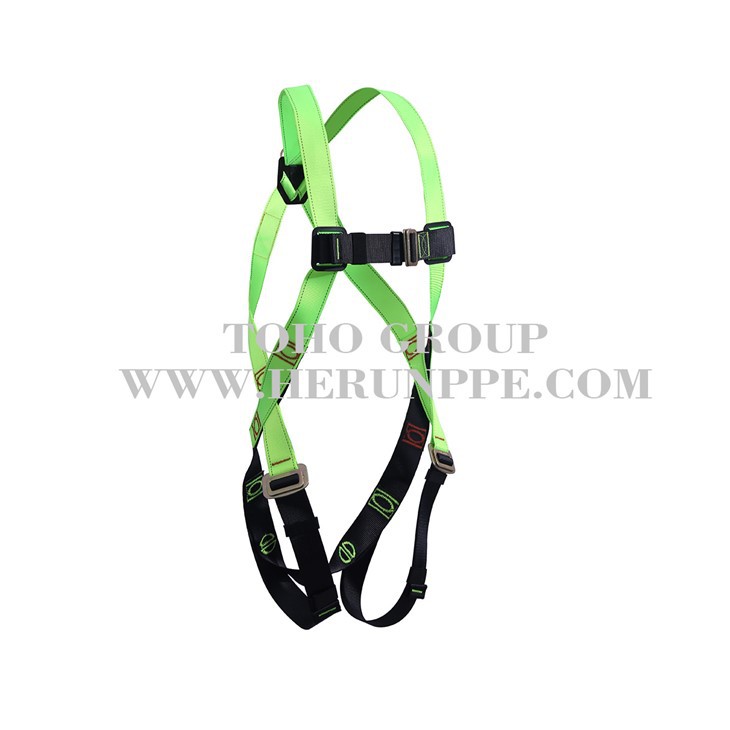
Put the harness on just like you would put on a backpack. Slip your arms through the shoulder straps and then adjust the leg loops so they're around your thighs. Make sure all the buckles are properly fastened.
Adjusting the Straps
Start by adjusting the shoulder straps. They should be snug but not so tight that they restrict your movement or cut off circulation. You should be able to fit two fingers between the strap and your shoulder.
Next, adjust the waist strap. It should sit comfortably around your waist, and you should be able to tighten it enough so that the harness doesn't ride up or down when you move.
Finally, adjust the leg loops. They should be tight enough to stay in place but not so tight that they cause pain or restrict blood flow.
Moving Around
Once you've adjusted all the straps, move around a bit. Bend over, reach up, and twist from side to side. The harness should stay in place and not feel like it's going to come off or cause any discomfort. If you feel any pinching, rubbing, or if the harness moves around too much, you may need to readjust the straps or try a different size.
Special Considerations
Body Shape
Everyone has a different body shape, and this can affect how a harness fits. For example, if you have a larger chest and a smaller waist, you might find that a standard harness doesn't fit well. In this case, look for a harness with more adjustable features or one that's designed for specific body types.
Layers of Clothing
If you're going to be wearing the harness over thick layers of clothing, like winter gear or a work uniform, you need to take this into account when sizing. You may need to go up a size to ensure a proper fit over the extra layers.
Weight Distribution
Your weight distribution can also impact the fit of the harness. If you carry a lot of weight in your upper body or have a large belly, you may need to adjust the straps differently or look for a harness that's designed to handle your specific weight distribution.
Different Types of Safety Harnesses and Their Sizing
Full Body Harness For Construction
These harnesses are designed for workers in the construction industry. They usually have a more robust design and are built to withstand heavy use. When sizing a full - body construction harness, make sure to consider the extra gear you might be carrying, like tools or a tool belt. You may need a slightly larger size to accommodate the additional weight and bulk.
Twin Leg Safety Lanyard Harnesses
Harnesses that are used in conjunction with Twin leg safety lanyard also need to fit properly. The lanyard attaches to the harness, and if the harness is too loose or too tight, it can affect the performance of the lanyard. Make sure to follow the manufacturer's sizing guidelines for both the harness and the lanyard.
Why the Right Size Matters
A properly - fitting safety harness is essential for your safety. If a harness is too big, you could slip out of it during a fall. On the other hand, if it's too small, it can cause injuries like cuts, bruises, or even broken bones due to the excessive pressure.
In addition to safety, a well - fitting harness is also more comfortable to wear. When you're comfortable, you're more likely to wear the harness correctly and for longer periods of time, which is crucial in high - risk work environments.
Contact Us for the Perfect Fit
If you're still unsure about what size safety harness kit is right for you, don't worry! We're here to help. As a safety harness kit supplier, we have a team of experts who can guide you through the sizing process. We offer a wide range of safety harness kits in different sizes and styles to meet your specific needs.
Whether you're a construction worker, a window cleaner, or anyone who needs fall protection, we've got you covered. Contact us today to discuss your requirements and find the perfect safety harness kit for you. We can also provide you with more information about our products and help you make an informed decision.

References
- Occupational Safety and Health Administration (OSHA) guidelines on fall protection equipment sizing.
- Manufacturer's sizing charts for safety harness kits.
