

Hey there! As a supplier of energy absorbers, I've been getting a lot of questions lately about how these nifty devices work in crashworthiness design. So, I thought I'd take a few minutes to break it down for you.
Let's start with the basics. What exactly is an energy absorber? Well, in simple terms, it's a device that's designed to absorb and dissipate energy during a crash or impact. You see, when a vehicle or any other structure experiences a sudden stop or collision, there's a huge amount of kinetic energy that needs to be dealt with. If this energy isn't managed properly, it can cause serious damage to the structure and, more importantly, harm to the people inside.
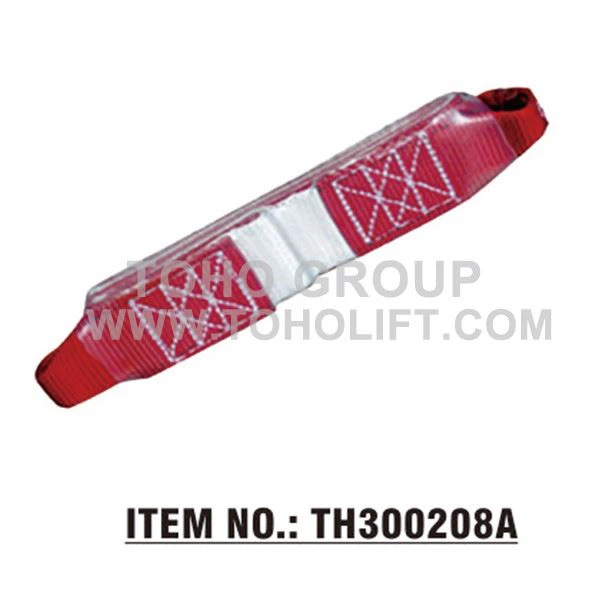
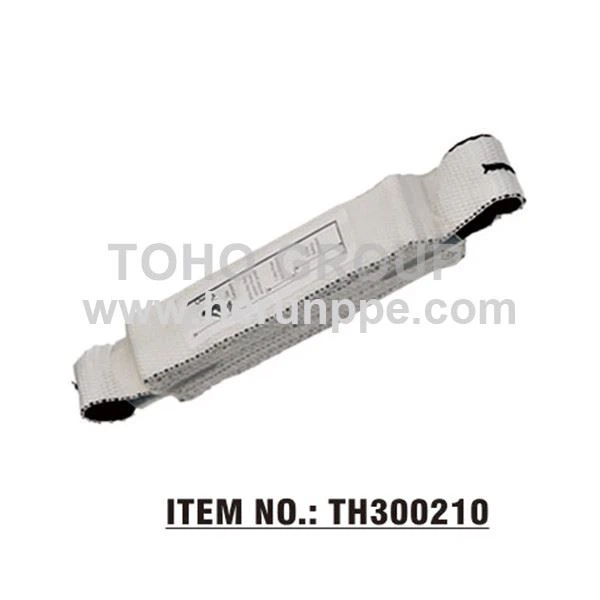
Energy absorbers come in all shapes and sizes, and they're used in a wide range of applications, from cars and airplanes to safety harnesses. For instance, check out this Shock absorber in safety harness. It's a great example of how energy absorbers are used to protect people in high - risk situations.
Now, let's dive into how they work. There are several different mechanisms that energy absorbers use to do their job, and I'll go through some of the most common ones.
Crushing and Deformation
One of the most widely used methods is through crushing and deformation. Think of it like a soda can. When you crush a soda can, you're essentially dissipating the energy you're applying to it. In the context of crashworthiness design, energy absorbers are often made of materials that can be easily crushed or deformed in a controlled way.
For example, in cars, there are usually crumple zones at the front and rear. These crumple zones are designed to crush during a collision. The metal in these zones deforms, and as it does, it absorbs the kinetic energy of the impact. This process slows down the deceleration of the vehicle, which in turn reduces the forces acting on the passengers.
The materials used for these types of energy absorbers are carefully chosen. Metals like aluminum and steel are popular because they have good ductility, which means they can be deformed without breaking. Composites are also being used more and more because they can be engineered to have specific energy - absorbing properties.
Friction
Friction is another important mechanism for energy absorption. When two surfaces rub against each other, heat is generated, and energy is dissipated. In some energy absorbers, friction is used to slow down the movement during a crash.
Take a look at some types of safety harness energy absorbers. They often use a friction - based system. When a sudden force is applied, like in a fall, a component inside the absorber rubs against another surface. This friction creates resistance, which slows down the person's fall and absorbs the energy of the impact.
Fluid Displacement
Fluid displacement is also a common way to absorb energy. In this method, a fluid is forced through a small opening or channel. As the fluid moves, it encounters resistance, which dissipates the energy.
Hydraulic shock absorbers are a classic example of this. In a vehicle's suspension system, hydraulic shock absorbers use fluid displacement to dampen the vibrations and shocks from the road. When the vehicle hits a bump, the piston inside the shock absorber moves, forcing the fluid through small holes. The resistance created by the fluid flowing through these holes absorbs the energy of the impact.
Foam Compression
Foam is another material that's commonly used in energy absorbers. Foams can compress under pressure, and this compression process absorbs energy.
In helmets, for example, there's usually a layer of foam padding. When the helmet experiences an impact, the foam compresses, absorbing the energy of the blow and protecting the wearer's head. The type of foam used is crucial. It needs to have the right density and compression properties to be effective.
Design Considerations
When designing energy absorbers for crashworthiness, there are several factors that need to be taken into account.
Energy Capacity
First and foremost, the energy absorber needs to have enough capacity to handle the expected energy of the impact. This means calculating the maximum kinetic energy that could be involved in a crash and designing the absorber accordingly. For example, a high - speed vehicle will require an energy absorber with a much higher energy - absorbing capacity than a low - speed one.
Rate Sensitivity
The rate at which the energy is applied also matters. Some energy absorbers work better at certain rates of impact. For instance, a foam absorber might work well for a slow - speed impact but could be less effective at high - speed impacts. Designers need to consider the typical impact rates in the application and choose or design an absorber that can handle them.
Space and Weight Constraints
In many applications, there are limitations on space and weight. For example, in an airplane, every extra pound of weight can affect fuel efficiency. So, energy absorbers need to be designed to be as compact and lightweight as possible while still providing the necessary energy - absorbing capabilities.
Testing and Validation
Once an energy absorber is designed, it needs to be tested to make sure it works as intended. There are various testing methods used in the industry.
Physical testing is one of the most common ways. This involves simulating a crash or impact in a controlled environment. For example, in the automotive industry, crash tests are performed on vehicles to evaluate the performance of the energy absorbers. Sensors are used to measure the forces and accelerations during the test, and the data is analyzed to see if the absorber is working correctly.
Computer simulations are also widely used. These simulations use complex mathematical models to predict how an energy absorber will perform under different conditions. They can be used to optimize the design before physical testing, which can save time and money.
Our Role as a Supplier
As a supplier of energy absorbers, we play a crucial role in crashworthiness design. We work closely with our customers to understand their specific needs. Whether it's a car manufacturer looking for better crumple zone designs or a safety equipment company needing a more effective harness energy absorber, we're there to help.
We have a team of experts who are constantly researching and developing new materials and designs. We use the latest technologies to ensure that our energy absorbers are of the highest quality and meet the strictest safety standards.
Why Choose Our Energy Absorbers?
- Customization: We can customize our energy absorbers to fit the unique requirements of each application. Whether it's a specific energy - absorbing capacity, size, or weight limit, we can engineer a solution.
- Quality Assurance: We have a rigorous quality control process in place. Every energy absorber we produce is tested to make sure it meets our high - quality standards.
- Cost - Effectiveness: We understand that cost is a factor for our customers. That's why we strive to offer energy absorbers that provide excellent performance at a competitive price.
If you're in the market for energy absorbers for your crashworthiness design needs, I'd love to talk to you. Whether you have a specific project in mind or just want to learn more about our products, don't hesitate to reach out. We're here to help you find the best energy - absorbing solutions for your application.
References
- "Crashworthiness Design of Automotive Structures" by W. Chen and D. Wierzbicki
- "Energy Absorption in Composite Materials and Structures" edited by R. Gupta and P. Kumar
- "Handbook of Shock and Vibration" by C. M. Harris and A. G. Piersol
