

In the world of industrial work, safety and efficiency are two paramount concerns. Tool lanyards have emerged as a crucial safety accessory, designed to prevent tools from falling and causing potential hazards. However, a question that often arises among workers and safety managers is whether tool lanyards affect tool performance. As a tool lanyard supplier, I've had the opportunity to engage in numerous discussions on this topic and have gathered insights from various perspectives. In this blog, I will delve into this question, exploring the potential impacts of tool lanyards on tool performance and offering some practical considerations.
Understanding Tool Lanyards
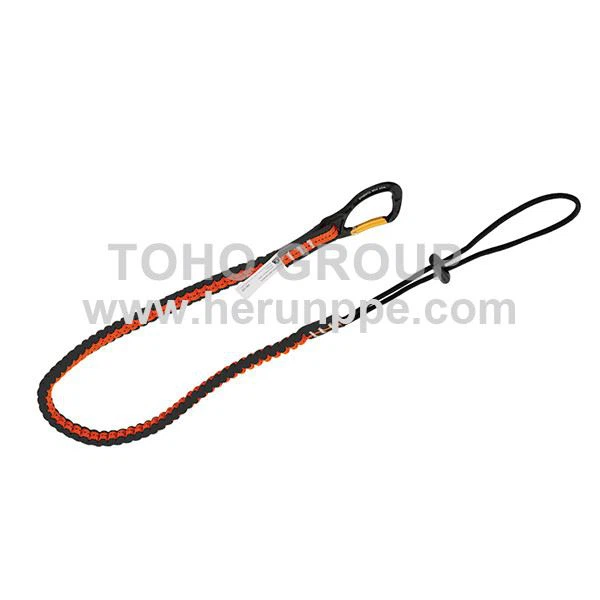
Tool lanyards are devices used to secure tools to a worker's body, equipment, or a stable structure. They come in various types, including fixed-length lanyards, Retractable safety tool lanyard, and coiled lanyards. Fixed-length lanyards are simple and straightforward, providing a set distance of tool movement. Retractable lanyards, on the other hand, offer more flexibility, allowing the tool to be extended and retracted as needed. Coiled lanyards combine the features of both, providing a certain degree of elasticity.
The primary purpose of tool lanyards is to prevent tools from falling from heights, which can cause serious injuries to workers below or damage to equipment and property. By keeping tools within reach and secure, tool lanyards enhance workplace safety. However, their impact on tool performance is a more complex issue.
Potential Effects on Tool Performance
Mobility and Maneuverability
One of the most obvious ways tool lanyards can affect tool performance is by limiting the mobility and maneuverability of the tool. When a tool is attached to a lanyard, it has a restricted range of motion. For example, if a worker is using a drill to reach a tight or hard-to-access area, the lanyard may prevent the drill from being positioned correctly. This can lead to difficulties in performing tasks, especially those that require precise positioning or a wide range of movement.
However, the extent of this limitation depends on the type of lanyard used. Retractable lanyards, for instance, can mitigate this issue to some extent. They allow the tool to be extended when needed and retracted when not in use, providing more freedom of movement compared to fixed-length lanyards. Coiled lanyards also offer a certain degree of flexibility, as they can stretch and contract according to the tool's movement.
Weight and Balance
Another factor that can affect tool performance is the additional weight and balance introduced by the lanyard. Tools are designed to be used with a certain weight and balance in mind. When a lanyard is attached, it adds extra weight to the tool, which can alter its balance and make it more difficult to handle. This is particularly noticeable with smaller or lighter tools, where the weight of the lanyard can have a more significant impact.
For example, a lightweight screwdriver may become unbalanced when a lanyard is attached, making it harder to apply the right amount of torque. This can lead to stripped screws or other issues. However, many modern tool lanyards are designed to be lightweight, minimizing the impact on tool weight and balance. Additionally, some lanyards are designed to be attached in a way that maintains the tool's natural balance.
Interference with Tool Operation
In some cases, the lanyard itself may interfere with the operation of the tool. For example, if the lanyard gets caught in the moving parts of a power tool, it can cause the tool to malfunction or even pose a safety hazard. This is more likely to occur with longer or bulkier lanyards.
To prevent this, it's important to choose a lanyard that is compatible with the tool and its operation. Some lanyards are designed with features such as non-slip attachments or quick-release mechanisms to minimize the risk of interference. Additionally, workers should be trained to use tools with lanyards properly and to be aware of potential interference issues.
Mitigating the Impact on Tool Performance
While tool lanyards can potentially affect tool performance, there are several ways to mitigate these impacts and ensure that tools can still be used effectively.
Choosing the Right Lanyard
The first step is to choose the right lanyard for the tool and the task at hand. Consider the type of tool, its weight and balance, and the range of motion required. As mentioned earlier, retractable lanyards and coiled lanyards offer more flexibility and can be a good choice for tasks that require a wide range of movement. Additionally, choose a lanyard that is lightweight and designed to maintain the tool's balance.
Proper Installation and Attachment
Proper installation and attachment of the lanyard are also crucial. Make sure the lanyard is attached securely to the tool and that it does not interfere with the tool's operation. Follow the manufacturer's instructions for installation and use, and use the appropriate attachment method for the tool.

Training and Familiarization
Workers should be trained on how to use tools with lanyards properly. This includes understanding the potential impacts of the lanyard on tool performance and how to mitigate them. Training should also cover proper installation, attachment, and maintenance of the lanyard. By familiarizing workers with the use of tool lanyards, they can become more comfortable and efficient in using tools with lanyards attached.
Regular Maintenance and Inspection
Regular maintenance and inspection of the lanyards are essential to ensure their proper functioning. Check the lanyards for signs of wear and tear, such as fraying or damage to the attachment points. Replace any damaged lanyards immediately to prevent potential safety hazards. Additionally, make sure the lanyards are clean and free of debris, as this can also affect their performance.
Conclusion
In conclusion, tool lanyards can have a potential impact on tool performance, primarily in terms of mobility, weight and balance, and interference with tool operation. However, with the right choice of lanyard, proper installation and attachment, training, and maintenance, these impacts can be minimized. The benefits of using tool lanyards in terms of workplace safety far outweigh the potential drawbacks.
As a tool lanyard supplier, I understand the importance of providing high-quality lanyards that are both safe and functional. We offer a wide range of tool lanyards to meet the diverse needs of our customers, including retractable safety tool lanyards that provide maximum flexibility and convenience. If you're looking for a reliable tool lanyard solution, I encourage you to contact us to discuss your specific requirements. We're committed to helping you find the right lanyard for your tools and ensuring the safety and efficiency of your workplace.
References
- Occupational Safety and Health Administration (OSHA). (2023). Fall Protection in Construction. Retrieved from [OSHA website]
- International Safety Equipment Association (ISEA). (2023). Tool Tethering Standards. Retrieved from [ISEA website]
- Various industry publications and research studies on tool safety and performance.
