

Chimney repair is a task that demands meticulous attention to safety, especially when working at heights. One of the crucial safety components in such operations is the use of appropriate fall protection equipment. As a supplier of single leg lanyards, I often encounter questions about whether a single leg lanyard can be used for chimney repair. In this blog, we'll delve into this topic, exploring the suitability, safety aspects, and considerations when using single leg lanyards for chimney repair.
Understanding Single Leg Lanyards
Single leg lanyards are fall protection devices designed to connect a worker to an anchor point, preventing a fall or minimizing the impact if a fall occurs. They typically consist of a single length of rope, webbing, or cable, with connectors at each end. Some single leg lanyards are equipped with energy absorbers, which help reduce the force exerted on the worker's body during a fall.
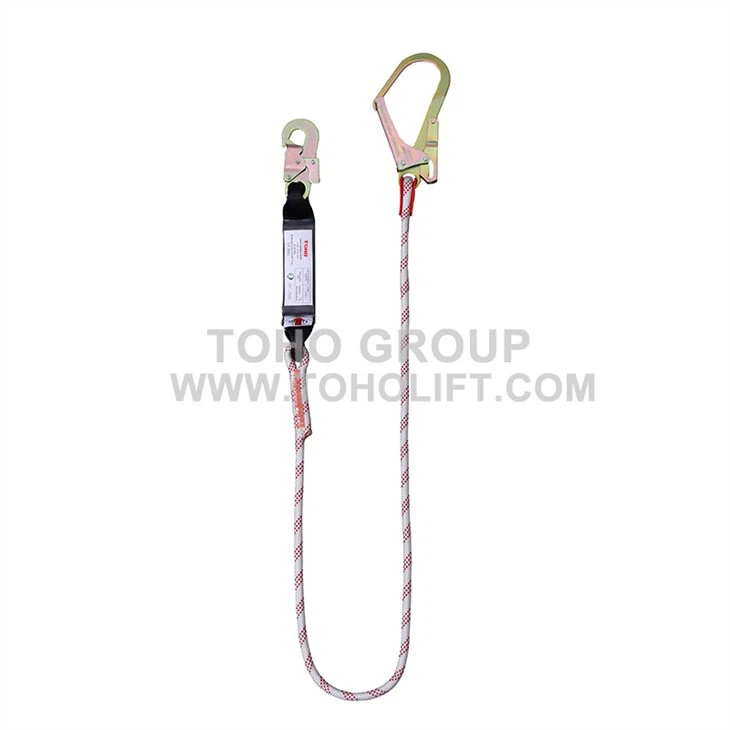
There are different types of single leg lanyards available in the market, each designed for specific applications. For example, the Single leg Kernmantle rope lanyard with energy absorber is a popular choice for general fall protection. It features a kernmantle rope construction, which provides high strength and durability. The energy absorber helps to dissipate the energy generated during a fall, reducing the risk of injury to the worker.
Another type is the Shock Absorb Lanyard With Scaffolding Hook. This lanyard is specifically designed for use with scaffolding systems. The scaffolding hook allows for easy attachment to the scaffolding structure, providing a secure connection for the worker.
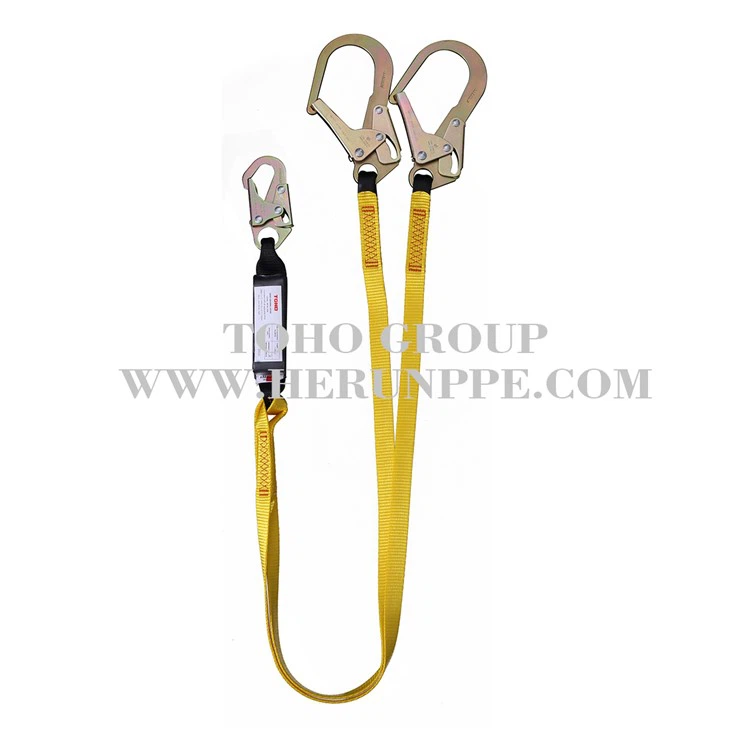
The Ansi certified two hook lanyard with energy absorber is also a reliable option. It meets the ANSI standards for fall protection, ensuring that it provides a high level of safety for the user. The two hooks allow for flexibility in attaching the lanyard to different anchor points.
Suitability of Single Leg Lanyards for Chimney Repair
When it comes to chimney repair, the use of single leg lanyards can be suitable under certain conditions. Chimney repair often involves working at heights, and fall protection is essential to prevent serious injuries or fatalities. Single leg lanyards can provide an effective means of fall protection if used correctly.
One of the advantages of using a single leg lanyard for chimney repair is its simplicity. It is easy to use and can be quickly attached to an anchor point. This is particularly important in chimney repair, where workers may need to move around the chimney structure and re - anchor the lanyard frequently.
However, there are also some limitations to consider. The length of the single leg lanyard needs to be carefully selected to ensure that it provides enough reach for the worker to perform the necessary tasks without being too long, which could increase the risk of a longer fall distance. Additionally, the anchor point for the lanyard must be strong and secure. In chimney repair, finding a suitable anchor point can be challenging, as chimneys are often made of brick or stone, and the structure may not be able to support the full force of a fall.
Safety Considerations
Safety should always be the top priority when using single leg lanyards for chimney repair. Here are some important safety considerations:
Anchor Point Selection
The anchor point is the foundation of fall protection. It must be able to withstand the force of a fall without failing. In chimney repair, potential anchor points could include chimney straps, structural beams, or specially designed anchor brackets. Before using an anchor point, it should be inspected to ensure its integrity. A professional engineer or a qualified safety expert may be needed to assess the suitability of the anchor point.
Inspection of the Lanyard
Regular inspection of the single leg lanyard is crucial. Before each use, the lanyard should be checked for any signs of damage, such as cuts, abrasions, fraying, or broken stitching. The connectors and hooks should also be inspected for proper functioning. If any damage is found, the lanyard should not be used and should be replaced immediately.
Training
Workers involved in chimney repair should receive proper training on the use of single leg lanyards. They should be familiar with how to correctly attach the lanyard to the anchor point, how to adjust the length of the lanyard, and what to do in case of a fall. Training should also cover the limitations and safety features of the lanyard.
Fall Arrest Plan
A fall arrest plan should be developed and implemented for chimney repair projects. This plan should outline the procedures to be followed in case of a fall, including how to rescue the worker, how to provide first aid, and how to prevent further falls. The fall arrest plan should be communicated to all workers involved in the project.
Regulatory Requirements
In addition to safety considerations, there are also regulatory requirements that need to be met when using single leg lanyards for chimney repair. Different countries and regions have their own safety regulations regarding fall protection. For example, in the United States, the Occupational Safety and Health Administration (OSHA) has specific standards for fall protection in construction work, which includes chimney repair.
These regulations typically cover aspects such as the type of fall protection equipment required, the strength of the anchor points, and the training requirements for workers. It is important for chimney repair contractors and workers to be aware of and comply with these regulations to avoid legal issues and ensure the safety of everyone involved.
Best Practices
To ensure the safe and effective use of single leg lanyards for chimney repair, here are some best practices:
- Use the Right Lanyard: Select a single leg lanyard that is appropriate for the specific chimney repair task. Consider factors such as the height of the work, the type of chimney structure, and the movement requirements of the worker.
- Proper Anchoring: Always use a strong and secure anchor point. If necessary, use additional support or reinforcement to ensure the stability of the anchor point.
- Keep the Lanyard Short: Minimize the free fall distance by keeping the lanyard as short as possible while still allowing the worker to perform the tasks.
- Regular Maintenance: Follow the manufacturer's recommendations for maintenance and inspection of the lanyard. Replace the lanyard at the end of its service life or if it has been involved in a fall.
Conclusion
In conclusion, a single leg lanyard can be used for chimney repair, but it requires careful consideration of safety aspects, anchor point selection, and regulatory requirements. When used correctly, single leg lanyards can provide an effective means of fall protection for workers on chimney repair projects.
As a supplier of single leg lanyards, we are committed to providing high - quality products that meet the safety needs of our customers. Our range of single leg lanyards, including the Single leg Kernmantle rope lanyard with energy absorber, Shock Absorb Lanyard With Scaffolding Hook, and Ansi certified two hook lanyard with energy absorber, are designed to provide reliable fall protection.
If you are involved in chimney repair or any other high - risk work at heights, and you are interested in purchasing single leg lanyards, we invite you to contact us for more information and to start a procurement discussion. We can provide you with detailed product specifications, pricing, and technical support to help you make the right choice for your safety needs.
References
- Occupational Safety and Health Administration (OSHA) standards for fall protection in construction work.
- Manufacturer's guidelines for single leg lanyards.
- Industry best practices for fall protection in chimney repair.
